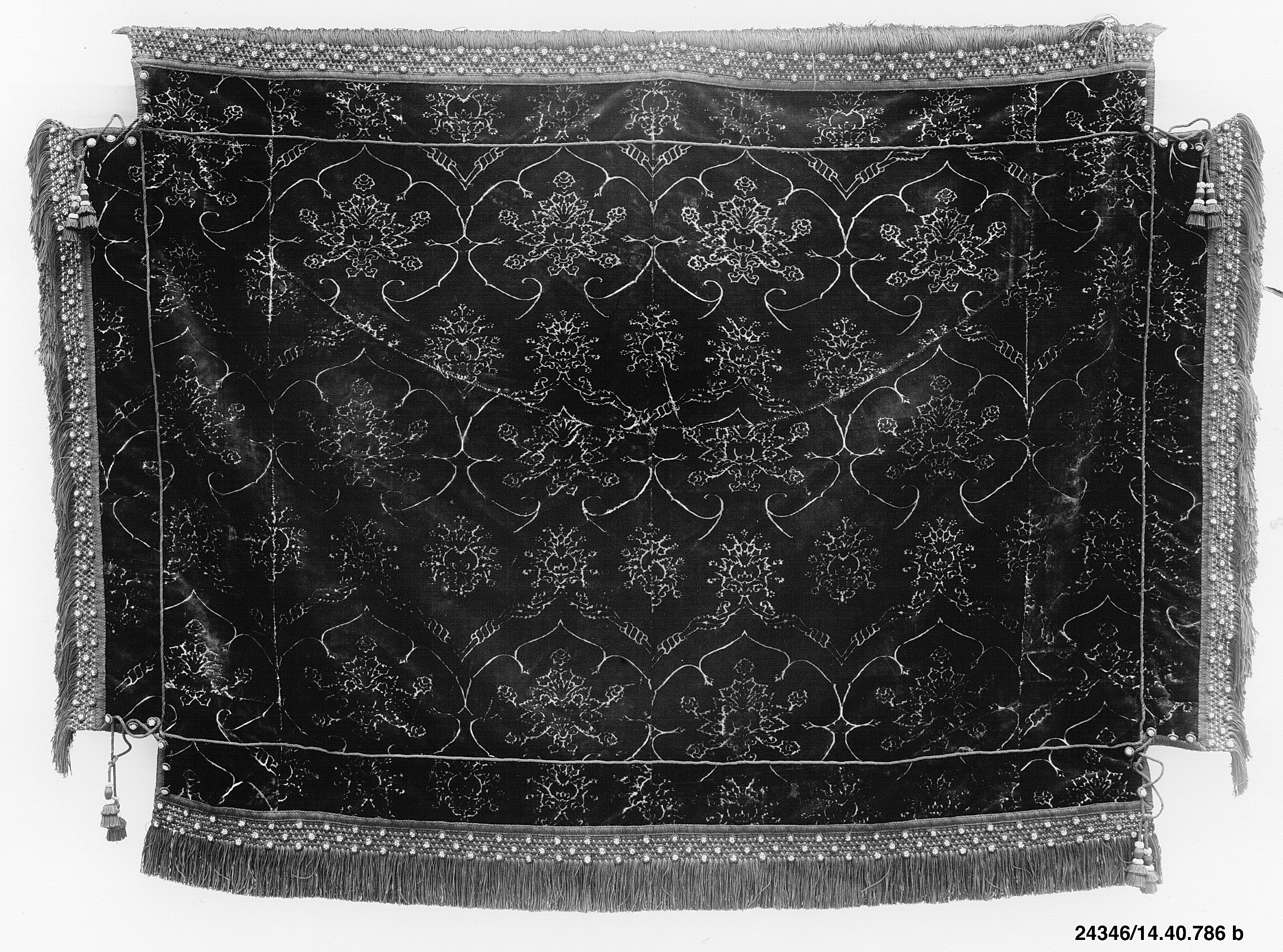
The Table Cover: Deconstructing Domesticity into Futuristic Silhouettes for SS26
In the lexicon of avant-garde couture, the mundane is a perpetual wellspring of radical reinterpretation. For Zoey Fashion Laboratory’s SS26 collection, the humble table cover—a symbol of domestic order, hospitality, and functional concealment—is dissected and reborn as a vehicle for structural innovation and futuristic silhouette. Sourced from the Global Frontier, a conceptual territory where cultural boundaries dissolve into a shared aesthetic vocabulary, the subject is rendered in pure silk, a material historically associated with luxury, fluidity, and surface tension. This analysis explores how a quotidian object, stripped of its context, becomes a manifesto for deconstructive elegance, proposing a new architectural language for the body that challenges the very notions of garment, space, and identity.
Material Alchemy: Silk as a Structural Paradox
The selection of silk as the exclusive material is a deliberate act of subversion. Traditionally, table covers are crafted from linen, cotton, or synthetic blends, prioritizing durability and stain resistance. Silk, by contrast, is synonymous with fragility, drape, and a luminous, almost liquid quality. In the hands of Zoey Fashion Laboratory, this inherent contradiction is exploited to its fullest. The silk is not merely a fabric; it is a structural membrane that can be both fluid and rigid, depending on the construction technique.
For SS26, the silk undergoes a transformative process of heat-set pleating and laser-cut perforation, creating zones of tension and release. The pleats mimic the geometric folds of a table cover draped over a rectangular surface, but they are recalibrated to follow the body’s asymmetrical contours. Perforations, reminiscent of lace or embroidered table linens, are scaled to industrial proportions, allowing the skin to breathe while introducing a grid-like transparency. This manipulation of silk’s surface turns the material into a hybrid of textile and architecture, where the softness of the fiber is counterbalanced by the precision of the cut. The result is a garment that retains the tactile seduction of silk while asserting a rigid, almost sculptural presence—a dialectic between the organic and the engineered.
Silhouette as Architectural Disruption
The futuristic silhouettes of this collection are not derived from traditional tailoring but from the deconstruction of the table cover’s form. The rectangular or oval shape of the original object is preserved as a starting point, then fragmented, inverted, and reassembled on the body. The key silhouette is the “Draped Cuboid,” a jacket or top that begins as a flat, folded panel akin to a table cover laid over a surface, but is then cinched at the waist with a series of tensioned silk cords. The fabric billows outward in controlled poufs, creating a volume that is both protective and ethereal—a wearable interpretation of a tablecloth caught in a perpetual breeze.
A second silhouette, the “Asymmetric Cascade,” draws inspiration from the way a table cover falls over a corner. One shoulder is entirely bare, while the opposite side features a multi-layered, cascading drape that extends into a train. This is achieved through strategic bias cutting and the insertion of internal, lightweight boning channels, allowing the silk to maintain its waterfall-like flow without losing structure. The asymmetry is not arbitrary; it is a calculated disruption of the bilateral symmetry that defines both the human form and the traditional garment. This silhouette speaks to a future where clothing is not a second skin but a mobile environment, a portable architecture that redefines personal space.
The third, most radical silhouette is the “Folded Membrane,” a full-length coat or dress that mimics the precise, creased folds of a table cover stored away. The garment is constructed from a single, continuous length of silk, folded and seamed along predetermined lines to create a series of pockets and chambers. These pockets are not decorative; they are functional, designed to hold small, removable weights or inflatable bladders that can alter the garment’s volume and silhouette in real-time. This innovation blurs the line between static couture and dynamic, responsive fashion, positioning the wearer as both subject and architect of their own appearance.
Structural Innovation: The Table Cover as a Pattern-Making System
The true avant-garde breakthrough lies in the reimagining of pattern-making. Traditional couture relies on darts, seams, and grain lines to conform fabric to the body. Zoey Fashion Laboratory, however, treats the table cover’s geometric layout—its central panel, side drops, and corner folds—as a modular pattern system. The “cover” is divided into four quadrants, each corresponding to a different body zone: the front torso, back, left arm, and right arm. These quadrants are then rotated, mirrored, and scaled to create garments that are inherently asymmetrical yet balanced in their visual weight.
For SS26, the zero-waste principle is elevated to an aesthetic philosophy. Every scrap of silk from the cutting process is repurposed into detachable panels, ruffles, or structural ties. The table cover’s original hem is preserved as a raw, unfinished edge, often left to fray intentionally, creating a textural counterpoint to the pristine pleating. This approach not only honors the object’s origin but also critiques the fashion industry’s wastefulness by turning constraint into creativity. The structural innovation is further enhanced by magnetic closures and snap-fastening systems hidden within the folds, allowing the wearer to reconfigure the garment into multiple silhouettes—a dress can become a cape, a jacket a skirt—extending the lifecycle and versatility of each piece.
Contextualizing the Global Frontier: Aesthetic Sovereignty
The Global Frontier context is not a geographic reference but a conceptual space where cultural signifiers are decontextualized and recombined. The table cover, as a domestic object, is universal across cultures, yet its specific forms—from Japanese furoshiki to European damask linens—carry distinct histories. In this collection, the silk is dyed in monochromatic, iridescent tones (silver-gray, phantom blue, and lunar white), stripping away any overt cultural references. The result is a placeless, futuristic aesthetic that speaks to a globalized, post-identity fashion landscape. The table cover is no longer a symbol of home or tradition; it is a blank slate for structural exploration, a neutral territory upon which the avant-garde can inscribe new forms.
Conclusion: The Table Cover as a Manifesto
Zoey Fashion Laboratory’s SS26 analysis of the table cover is a radical redefinition of what a garment can be. By treating a domestic object as a structural prototype, the collection challenges the binary between functional and decorative, between the familiar and the alien. The silk, pleated, perforated, and folded, becomes a medium for architectural drapery that is both ethereal and rigid. The silhouettes—Draped Cuboid, Asymmetric Cascade, and Folded Membrane—are not just clothes; they are wearable environments that propose a new relationship between the body and space. In this avant-garde study, the table cover is no longer a surface to be covered but a system of possibilities, a testament to the infinite potential of deconstruction when guided by a rigorous, futuristic vision. For SS26, the table cover is not an object of the past; it is a blueprint for the future of couture.