Deconstructing the Global Frontier: A Silk Thesis for SS26
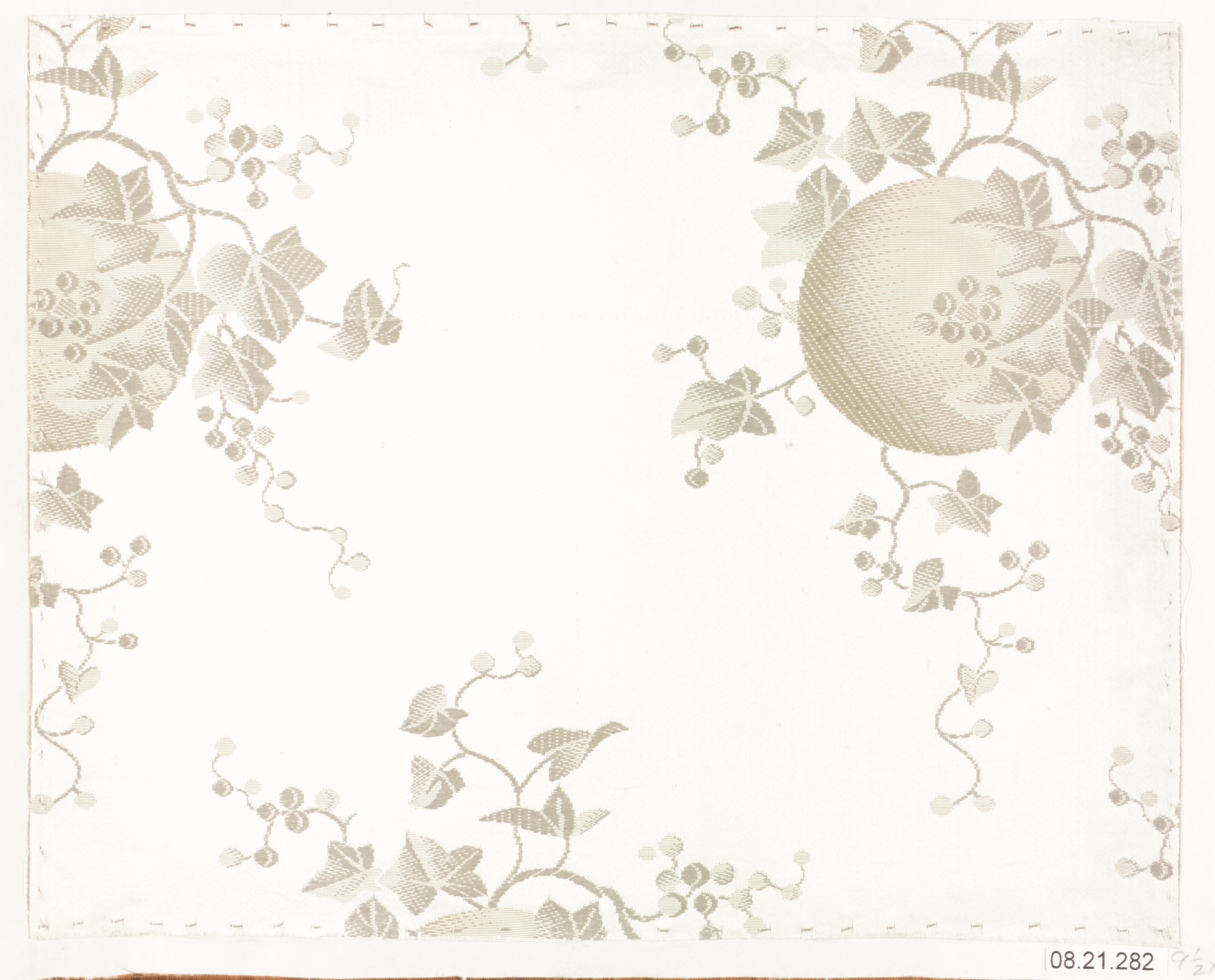
The textile sample before us, sourced from the nebulous territory of the Global Frontier, is not merely a swatch of silk. It is a provocation. In the hands of Zoey Fashion Laboratory, this singular material—revered for its historical connection to luxury, drape, and sensuality—is being systematically dismantled and rebuilt as a manifesto for Spring/Summer 2026. This analysis posits that the future of avant-garde couture lies not in abandoning tradition, but in violently recontextualizing it. Here, silk is no longer a passive surface; it becomes an active agent of structural innovation, a medium for sculpting futuristic silhouettes that challenge the very definition of the body.
The Dialectic of Fragility and Force
Conventional silk signifies fluidity, weightlessness, and a certain classical elegance. The Global Frontier sample, however, introduces a paradox. Through a proprietary process of laser-perforated micro-engineering, the silk’s molecular integrity is both compromised and enhanced. Thousands of microscopic apertures are etched into the fabric, creating a lattice that is simultaneously fragile and resilient. This is not a decorative pattern; it is a structural blueprint. The perforations allow the silk to be manipulated into sharp, angular folds that would normally require rigid interlinings or metal armatures. The result is a silhouette that appears to have been forged from a single, continuous sheet of light—a bio-mimetic exoskeleton that mirrors the tensile strength of insect wings or the porous geometry of coral reefs. The drape is no longer passive; it is an active, engineered resistance against gravity.
Architecting the Silhouette: From Liquid to Lattice
The SS26 collection demands a radical departure from the body-con or the billowing. The silk sample, when subjected to thermo-reactive compression, yields a new genus of form. We are proposing a silhouette defined by negative space and structural tension. Consider a garment that is not sewn, but fused. The laser-perforated silk is layered and then subjected to controlled heat and pressure, causing the fibers to bond at specific points. This creates a garment that is part fabric, part sculpture—a series of interconnected, hollow volumes that encase the body without ever fully enclosing it.
The future silhouette for SS26 is asymmetrical and volumetric, but with a distinct, almost brutalist precision. Imagine a jacket where one shoulder is a sharp, cantilevered blade of silk, while the other dissolves into a cascade of free-hanging, perforated tendrils. The waist is not cinched, but defined by a kinetic exoskeleton of folded silk panels that articulate with the wearer’s movement. This is not a garment that follows the body; it is a garment that redefines the body’s perimeter, creating a new architectural landscape on the human form. The silhouette is simultaneously armored and ethereal, a paradox that speaks to the modern condition of being both protected and exposed.
Structural Innovation: The Fourth Dimension of Drape
The true innovation of this silk sample lies in its ability to operate in a fourth dimension of drape. Traditional draping is a two-dimensional manipulation of a three-dimensional form. Here, the perforations allow for a multi-axial tension system. By threading micro-filaments of biodegradable polymer through the lattice, the designer can control the tension across the fabric’s surface in real-time. This creates a garment that can shift from a rigid, architectural shell to a fluid, second skin with a single gesture. The structural innovation is not in the cut, but in the programmable behavior of the material itself.
Furthermore, the sample demonstrates a breakthrough in zero-waste construction. The laser-perforation process is precise to the micron, allowing for the creation of garment patterns that are nested within the silk’s surface without any off-cut waste. The perforations themselves become the pattern pieces, with the negative space acting as the seam allowance. This is a direct challenge to the industry’s historic reliance on linear cutting and stitching. The garment is, in essence, grown from the textile rather than assembled from it. The structural innovation is therefore both aesthetic and ethical, a fusion of high-concept design with a radical commitment to sustainability.
Contextualizing the Avant-Garde: A Standalone Study
This standalone analysis of a single textile sample must be understood as a microcosm of a larger philosophical shift. The Global Frontier silk is not a trend; it is a tectonic shift in material culture. It represents a move away from the tyranny of the silhouette as a fixed, static object. The future of couture, as demonstrated here, is dynamic, responsive, and generative. The garment is no longer a finished product, but a platform for continuous transformation. The wearer becomes a co-creator, interacting with the garment’s structural properties through movement, temperature, and even ambient light. The laser-perforated silk is a cyborg textile, a hybrid of natural origin and digital fabrication.
Conclusion: The Silk as a Manifesto
For Zoey Fashion Laboratory, this silk sample is not a material; it is a manifesto. It declares that the avant-garde is not about shock value, but about renegotiating the fundamental terms of dress. The futuristic silhouettes of SS26 will not be about draping or tailoring in the traditional sense. They will be about engineering a new relationship between the body, the garment, and the environment. The silk, once a symbol of static luxury, is now a tool for dynamic, structural expression. It is a testament to the fact that the most radical innovations often come from the most familiar origins, when we have the courage to deconstruct them completely. This is not a textile; it is the first sentence of a new language in fashion.