Deconstructing the Portrait of Tieleman Roosterman: An Avant-Garde Fabric Analysis for Zoey Fashion Lab
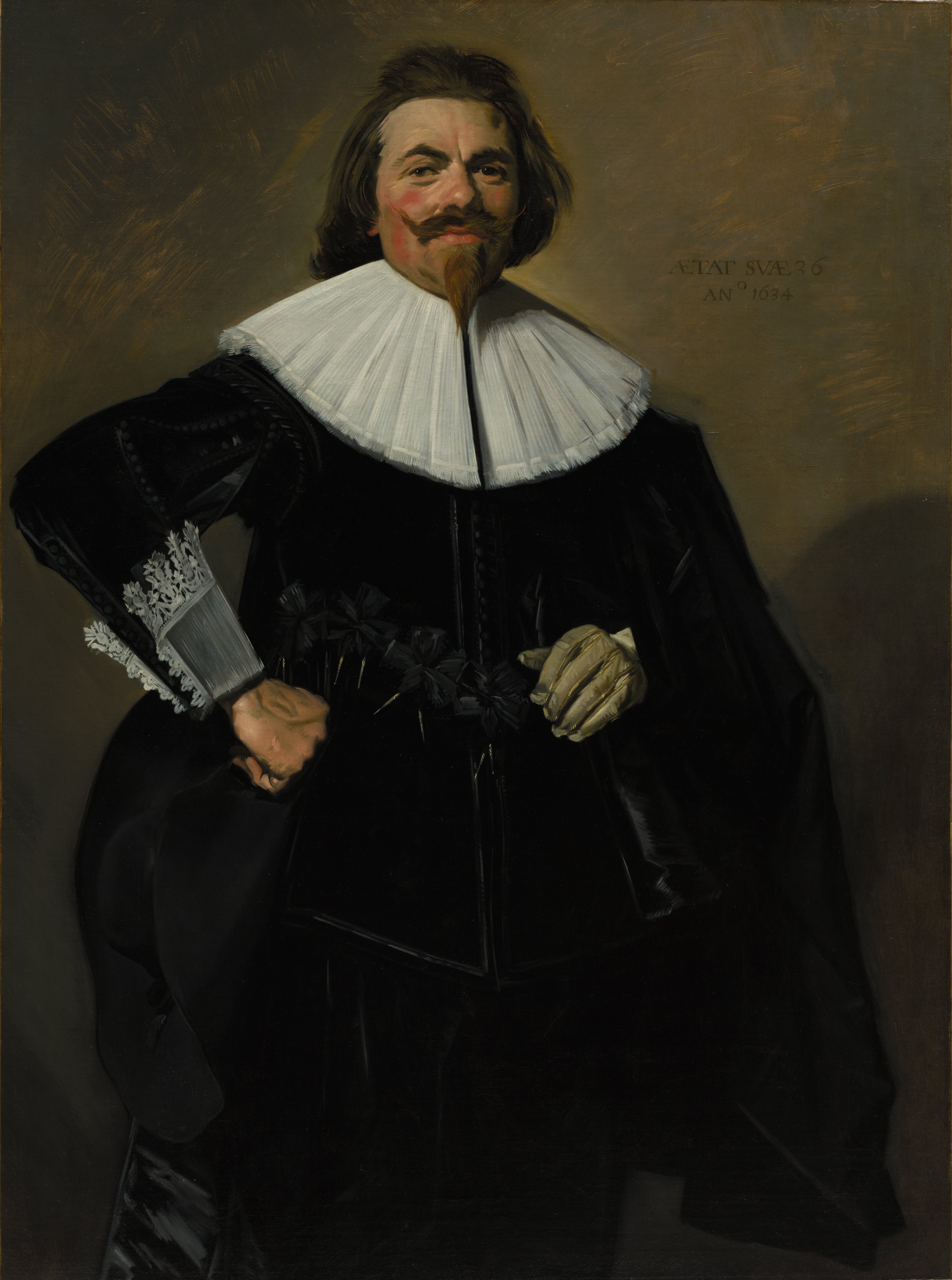
At Zoey Fashion Lab, our mission is to unravel the narrative threads embedded within historical textiles and re-weave them into avant-garde expressions. The subject of this analysis is the Portrait of Tieleman Roosterman (1634) by Frans Hals, a masterpiece of Dutch Golden Age portraiture. Painted in oil on canvas, this work captures a wealthy Haarlem linen merchant, not merely as a man of status, but as a living archive of fabric, texture, and economic power. Our task is to apply the New DNA Strand methodology—a deconstructive approach that treats each garment, fold, and thread as a genetic code of cultural meaning—and reinterpret it through an avant-garde lens. This analysis will dissect the portrait’s materiality, its socio-economic subtext, and the radical potential for transformation into contemporary fashion.
1. The Fabric as a Social Genome: Linen, Silk, and the Merchant’s Code
The Portrait of Tieleman Roosterman is a study in opulent restraint. Roosterman, a dealer in linen, wears his wealth not in ostentation, but in the sheer quality of his attire. A black silk doublet, slashed to reveal a white linen shirt, is paired with a broad, stiff white lace collar and cuffs. The New DNA Strand method demands we read these elements as genetic markers of status, trade, and identity. The black silk, dyed with costly logwood and mordants, signifies not just affluence but a Calvinist sobriety—a visual paradox of luxury veiled in humility. The white linen, Roosterman’s own merchandise, becomes a self-referential advertisement: he is the product, the producer, and the patron. The lace, intricate and labor-intensive, encodes a network of global trade routes, from Flemish workshops to Dutch ports.
From an avant-garde perspective, this fabric genome is a call to rupture and reassemble. The doublet’s slashes, originally functional for ventilation and display, can be reimagined as deliberate cuts in a garment’s narrative—a deconstruction that reveals the wearer’s interiority. At Zoey Fashion Lab, we propose a collection that isolates these slashes as primary design motifs. Imagine a deconstructed silk jacket where each slash is lined with raw-edge linen, the threads left exposed, mimicking the fraying of historical memory. The lace collar, often a symbol of rigidity, could be recreated in laser-cut leather or recycled plastic, its pattern distorted into digital glitches. This is not replication; it is genetic mutation—a re-coding of Roosterman’s DNA into a contemporary fashion language.
2. The Canvas as a Textile: Oil, Texture, and the Illusion of Touch
Hals’ technique is as much a fabric as the garments he paints. The oil on canvas medium allows for a tactile illusionism that the New DNA Strand method treats as a meta-textile. The brushstrokes in Roosterman’s lace are not mere representation; they are a performance of texture, a simulation of thread. Hals’ signature loose, impressionistic strokes—visible in the shimmer of the silk and the crispness of the linen—create a surface that invites touch, even as it remains untouchable. This tension between the real and the represented is fertile ground for avant-garde intervention.
At Zoey Fashion Lab, we propose a series of garments that externalize the painting process. Consider a coat printed with high-resolution scans of Hals’ brushwork, but with the strokes rendered in raised silicone or heat-reactive pigments. As the wearer moves, the “brushstrokes” shift, blurring the line between static portrait and living canvas. Alternatively, we could create a dress constructed from multiple layers of sheer organza, each printed with a single brushstroke from the lace collar. When layered, they form the complete pattern; when separated, they reveal the deconstructed bones of the painting. This is the New DNA Strand in action: the canvas becomes a wearable textile, the oil a pigment for the body.
3. The Body as a Site of Trade: Deconstructing the Merchant’s Posture
Roosterman’s pose—one hand on his hip, the other resting on a table—is a study in controlled confidence. The New DNA Strand method reads this posture as a structural element of the garment. The doublet’s tailored fit, the stiff lace, the voluminous breeches—all are designed to shape the body into a symbol of mercantile power. The body is not merely clothed; it is an architecture of commerce. The avant-garde challenge is to dismantle this architecture, to question the relationship between clothing, power, and identity.
We propose a deconstructed silhouette that fragments Roosterman’s posture. A jacket with an exaggerated, asymmetrical shoulder pad on the arm resting on the hip, while the other sleeve is detached and reattached with visible straps, mimicking the tension of his stance. The breeches could be replaced with modular panels that can be adjusted to alter the wearer’s silhouette, a literal re-coding of the merchant’s body. The lace collar, often a marker of status, could be reimagined as a detachable, inflatable structure that expands or contracts based on the wearer’s movement, questioning the rigidity of social codes. This is not a costume; it is a critical garment that interrogates the very notion of power dressing.
4. The Avant-Garde Re-Engineering: From Historical Text to Future Fabric
The final stage of the New DNA Strand analysis is the re-engineering of these elements into a cohesive avant-garde collection. The Portrait of Tieleman Roosterman offers a rich palette of materials and symbols: black silk, white linen, intricate lace, and the illusionistic texture of oil paint. Our task is to transmute these into a fashion language that speaks to contemporary concerns—sustainability, identity, and the digital age.
We propose a capsule collection titled “Merchant of Light”, which treats each garment as a fragment of the portrait’s DNA. Key pieces include:
- The Slashed Doublet Reimagined: A jacket made from recycled black silk, with laser-cut slashes that reveal a second layer of organic linen. The slashes are not random; they trace the exact pattern of Hals’ brushstrokes, creating a map of the painting’s texture.
- The Lace Collar as Digital Code: A collar constructed from 3D-printed biodegradable material, with the lace pattern algorithmically generated from the original painting’s pixel data. The collar is detachable and can be worn as a standalone accessory, a fragment of history.
- The Canvas Dress: A gown made from a single piece of canvas printed with a high-resolution image of the painting, but with the print distorted through a digital glitch process. The dress is then hand-painted with oil-based pigments, blurring the line between reproduction and original.
- The Merchant’s Posture Suit: A modular ensemble with adjustable padding and detachable sleeves, allowing the wearer to alter their silhouette to mimic Roosterman’s stance or to deconstruct it entirely. The suit is made from a blend of silk and recycled polyester, a nod to the sustainability of linen.
Conclusion: The Fabric of Time
The Portrait of Tieleman Roosterman is not a static relic; it is a living archive of fabric, power, and technique. Through the New DNA Strand methodology, Zoey Fashion Lab has deconstructed its genetic code—the linen, the silk, the lace, the brushstrokes—and re-engineered them into an avant-garde collection that challenges our understanding of history, identity, and fashion. This is not a reproduction; it is a mutation, a transformation of a 17th-century merchant into a 21st-century statement. The fabric of time is not linear; it is a weave, and we are the weavers.