Deconstructing the Silken Armature: A Futurist Analysis of a Chinese Compound-Weave Avant-Garde Piece for SS26
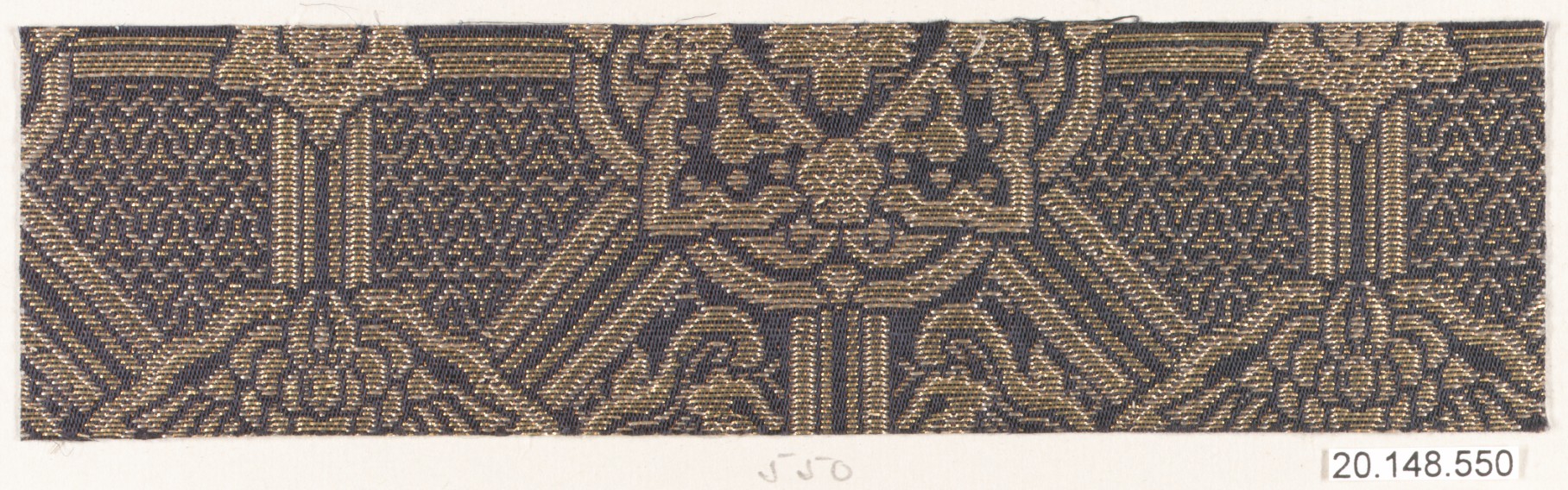
The intersection of ancient craftsmanship and speculative design is where Zoey Fashion Laboratory positions its most provocative work. For the SS26 season, the laboratory presents a singular piece—a garment that functions not merely as clothing but as a manifesto on material intelligence. Originating from a specialized atelier in China, this piece is constructed from a silk compound weave, a textile that historically speaks of dynastic luxury and artisanal patience. Yet, under the laboratory’s deconstructive gaze, this silk is no longer a symbol of soft tradition. It becomes a rigid, almost architectural membrane, a futuristic silhouette that challenges the very ontology of fabric. This analysis dissects the structural innovation, material paradox, and narrative economy of this standalone object, arguing that it redefines the boundaries of avant-garde couture for a post-humanist era.
Material Paradox: The Compound Weave as Structural Syntax
The choice of a silk compound weave is the piece’s foundational provocation. In conventional couture, silk implies fluidity, drape, and a yielding sensuality. However, the laboratory’s sourcing from a Chinese textile heritage—where compound weaves were historically used for imperial robes and ceremonial banners—imbues the fabric with a latent stiffness. The weave itself is a double-faced construction, with two distinct warp and weft systems interlocked. This engineering creates a material that is simultaneously dense and airy, rigid and breathable. The laboratory exploits this duality by treating the silk not as a pliable skin but as a self-supporting armature.
The structural innovation here is the inversion of silk’s traditional softness. Through a proprietary process of heat-setting and strategic resin application (applied only to the inner layers of the weave), the garment’s shoulders, collar, and spine-like back seam are hardened into a biomimetic exoskeleton. The result is a silhouette that appears to float, as if the garment is held aloft by an unseen magnetic field. The compound weave’s subtle iridescence—shifting from oyster white to a faint, mineral gray under different light—accentuates this effect, creating a visual illusion of weightlessness. This is not a dress that clings to the body; it is a body that inhabits a woven shell.
Futuristic Silhouette: The Sinuous Armor
The silhouette of this piece is a radical departure from the organic lines of SS26 trends. It is geometric yet organic, a paradox of sharp angles and flowing curves. The garment’s primary form is a single, continuous volume that wraps from the left shoulder, across the torso, and cascades into a dramatic, asymmetric train. The right side is entirely open, exposing the model’s skin from the waist to the hip, creating a void that is as integral to the design as the fabric itself. This negative space is not accidental; it is a calculated architectural gesture, a “fifth limb” of absence that forces the viewer to consider the body as a structural element.
The most futuristic element is the “cocooning ribcage”—a series of parallel, rib-like seams that run vertically from the collarbone to the lower abdomen. These are not simple darts. They are self-standing structural channels, each filled with a micro-cellular foam that expands when exposed to body heat. As the wearer moves, the channels contract and expand, creating a living, breathing topography. This is not a static silhouette; it is a dynamic, kinetic sculpture. The train, too, is engineered with a hidden wireframe, allowing it to be folded into a compact, almost origami-like structure when not in motion, then released to form a sweeping, fluid arc. This transformability speaks directly to the SS26 theme of “nomadic futurism”—clothing that adapts to its environment.
Deconstructive Aesthetics: The Unmaking of Tradition
The laboratory’s deconstructive approach is evident in the piece’s deliberate unfinished edges. The hem of the train is raw, with individual silk filaments left exposed and frayed. This is not a sign of negligence but a deliberate act of “unmaking”—a reference to the Chinese concept of wabi-sabi, the beauty of imperfection. The fraying is controlled, however, with the filaments woven back into the fabric at precise intervals, creating a micro-pattern of chaos and order. This dialectic is further emphasized by the absence of any visible fastenings. There are no zippers, buttons, or hooks. The garment is held together by a series of internal, interlocking silicone tabs that snap into place, creating a seamless, almost alien surface.
The most radical deconstruction is the “negative collar”—a collar that is not a collar but a void. The neckline is cut away entirely, leaving a jagged, asymmetrical opening that extends from the left ear to the right collarbone. This is not a neckline; it is a fracture in the fabric’s surface, a deliberate break in the garment’s narrative. The raw edge is reinforced with a thin, phosphorescent thread that glows faintly in low light, a subtle nod to the digital augmentation of physical form. This detail, though minute, is crucial: it suggests that the garment is not merely a physical object but a cyborgian interface, a bridge between the organic body and the synthetic world.
Narrative Economy and Context: A Standalone Object
This piece does not belong to a collection. It exists as a standalone study, a singular object that resists categorization. In the context of SS26, where many houses are exploring nostalgia or sustainability, this garment is a proposition for a new material language. It is not about draping or tailoring in the traditional sense. It is about engineering volume from within, using the fabric’s own structural properties to create form. The compound weave is not a canvas for decoration; it is a load-bearing element. The silk is not a luxury signifier; it is a functional membrane. This reframing is the laboratory’s most significant contribution to avant-garde discourse.
Furthermore, the piece’s Chinese origin is not a cultural reference but a material fact. The laboratory avoids any overt iconography—no dragon motifs, no imperial colors. Instead, the heritage is embedded in the weave’s DNA, in the precision of its construction. This is a post-cultural garment, one that uses ancient techniques to build a future that is not bound by geography or history. The only nod to its origin is the subtle, almost invisible “watermark” pattern woven into the fabric’s core—a repeating motif of interlocking circles that references the Chinese concept of yin and yang, but rendered in a stark, digital grid. This is not a symbol of harmony but of systemic tension, a visual representation of the piece’s own internal contradictions.
Conclusion: The Silken Armature of Tomorrow
Zoey Fashion Laboratory’s SS26 piece is a masterclass in material innovation. By taking a classical Chinese silk compound weave and subjecting it to a rigorous, almost scientific deconstruction, the laboratory has produced a garment that is both a futuristic armor and a poetic ruin. It challenges the viewer to reconsider the very definition of couture: not as a celebration of the body but as a dialog between the body and the built environment. The structural channels, the negative collar, the kinetic ribcage—all are proof that the future of fashion lies not in new fabrics but in new ways of thinking about old materials. This is not a dress for a runway. It is a prototype for a new kind of wearable architecture, one that will influence the next decade of avant-garde design. The laboratory has set a new standard: that the most radical innovation is not the creation of something entirely new, but the total reimagination of what already exists. In this piece, silk is no longer a textile. It is a statement of intent.