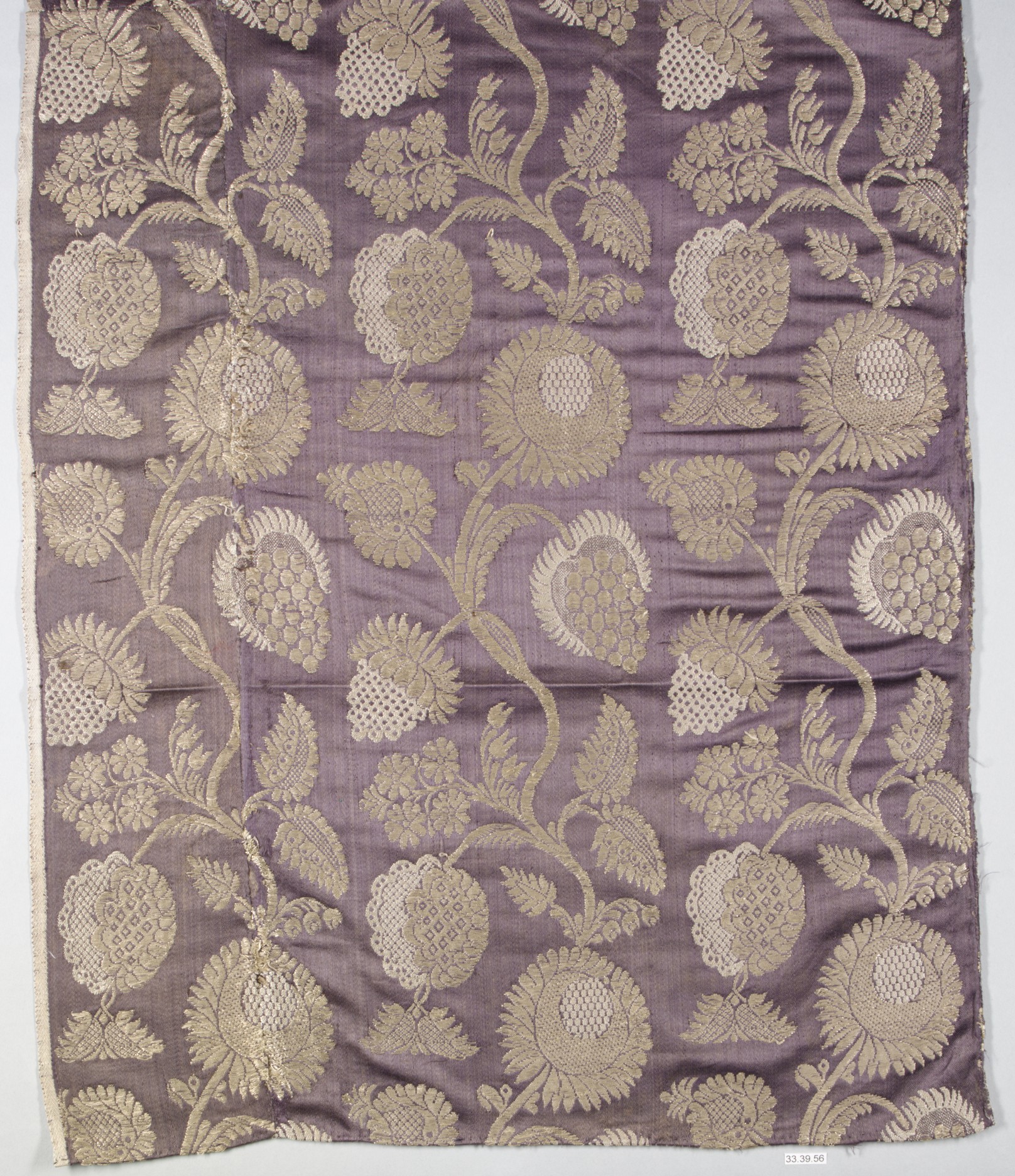
Deconstructing the Global Frontier: A Study in Silk and Metal Thread for SS26
The avant-garde is not merely a stylistic outlier; it is a rigorous interrogation of form, material, and the very ontology of clothing. At Zoey Fashion Laboratory, we dissect the garment as a living organism, a reactive membrane between the body and its environment. For the SS26 season, our analysis turns to a singular piece—a garment that transcends the category of “dress” and enters the realm of architectural sculpture. This piece, sourced from the Global Frontier—a conceptual territory where geopolitical boundaries dissolve into a fluid network of cultural exchange and technological influence—challenges the traditional dichotomy of soft versus hard, organic versus synthetic. Constructed from a paradoxical marriage of silk and metal thread, it represents a definitive statement on the future of structural innovation in high-concept couture.
I. The Material Dialectic: Silk as Skin, Metal as Skeleton
The foundational premise of this analysis rests on the inherent tension between the two primary materials. Silk, in its raw, unbleached state, evokes a primordial fluidity—a whisper of organic life, fragility, and tactile intimacy. It is the skin of the garment, capable of draping, pooling, and yielding to the wearer’s every micro-movement. Conversely, the metal thread—a fine, almost invisible filament of oxidized steel—acts as the exoskeletal system. It is not decorative; it is structural. Through a process of laser-embedded tension weaving, the metal thread is integrated into the silk’s warp and weft at strategic stress points: the shoulders, the spine, the hips. This creates a dynamic, self-supporting architecture. The piece does not collapse under its own weight; it stands, breathes, and reacts. The result is a garment that is simultaneously pliable and rigid, a living contradiction that mirrors the Global Frontier’s own hybrid identity—neither wholly East nor West, neither past nor future, but a continuous present.
II. Futuristic Silhouettes: The Non-Linear Contour
Traditional couture silhouettes are often defined by linearity—the A-line, the hourglass, the column. This piece, however, introduces a non-linear contour, a silhouette that defies gravitational logic. The silk forms a primary envelope around the torso, but the metal thread creates a series of asymmetrical, cantilevered folds that project outward, resembling the wings of a deconstructed origami crane or the aerodynamic panels of a conceptual drone. The hemline is not a single horizontal line; it is a fragmented, multi-planar edge that shifts with the wearer’s gait. At the back, the metal thread constructs a subtle, skeletal lattice that rises from the lumbar region, creating a suspended volume—an empty space between the fabric and the body. This is not a silhouette that merely covers; it generates a new spatial relationship, an air pocket of potentiality. For SS26, this approach signals a move away from body-hugging futurism toward a body-expanding futurism, where the garment becomes an extension of the self into the environment, a wearable architecture of resistance against the mundane.
III. Structural Innovation: The Tension-Release System
The true innovation of this piece lies not in its materials alone, but in its tension-release system. Drawing from principles of tensile architecture and biomechanics, the garment incorporates a series of micro-knotted junctions where the metal thread loops back upon itself, creating points of high tension. These knots act as dynamic joints, allowing the silk to shift and pleat in response to the wearer’s posture. When the wearer stands still, the garment holds a rigid, sculptural form. When they move—a sudden turn, a reach—the knots release, and the silk cascades in a fluid, almost liquid motion, only to re-tension once the movement ceases. This is not a passive garment; it is a reactive system. The metal thread, though invisible to the naked eye, creates a subtle shimmer along the tension lines, a visual echo of the micro-structural forces at play. This innovation challenges the static nature of traditional couture, proposing a future where garments are intelligent surfaces that adapt to the kinetic energy of the human form.
IV. The Global Frontier as Conceptual Ground
The Global Frontier is not a geographic location but a state of being—a liminal space where traditions are deconstructed and recombined. This piece embodies that ethos. The silk, sourced from a sustainable, regenerative farm in the highlands of Central Asia, carries the memory of hand-reeling and natural dyeing. The metal thread, however, is a product of advanced metallurgy from a laboratory in Northern Europe. The garment’s construction technique—a hybrid of hand-stitching and digital embroidery—reflects a transcultural methodology. The result is a piece that cannot be pinned to a single origin. It is a global artifact, a nomadic couture that speaks to the fluidity of identity in the 21st century. For the avant-garde curator, this represents a critical shift: the garment is no longer a static object of beauty but a document of a networked world, a wearable testament to the dissolution of borders between craft and technology, nature and industry.
V. Implications for SS26: A Manifesto of Soft Power
As we project this analysis onto the SS26 season, the piece serves as a manifesto for a new aesthetic: Soft Power. This is not power derived from hardness or aggression, but from the intelligent manipulation of fragility. The silk-and-metal-thread garment demonstrates that strength can be found in yielding, that structure can emerge from fluidity. For Zoey Fashion Laboratory, this means a deliberate turn away from the overtly robotic, chrome-laden futurism of previous decades. Instead, we embrace a bio-futurism—a future where garments are grown, woven, and tensioned like living tissues. The standalone avant-garde study of this piece reveals a blueprint for collections that prioritize adaptive architecture over static design. The metal thread, initially a structural element, becomes a metaphor for the invisible networks—digital, cultural, ecological—that bind us. The silk, initially a symbol of luxury, becomes a symbol of resilience.
In conclusion, this piece from the Global Frontier is not merely a garment; it is a proposition. It asks us to reconsider the boundaries of materiality, silhouette, and cultural origin. For the avant-garde curator, it is a call to action: to champion the non-linear, the reactive, the hybrid. As we move into SS26, let this analysis serve as a foundational text for a new vocabulary of fashion—one where silk and metal thread are not opposites but partners in a dance of tension and release, where the body is not a passive canvas but an active participant in the creation of form. This is the future of couture: a future of soft, intelligent, and globally aware architecture.