Deconstructing the Maximilian Breastplate: A Zoey Fashion Lab Analysis
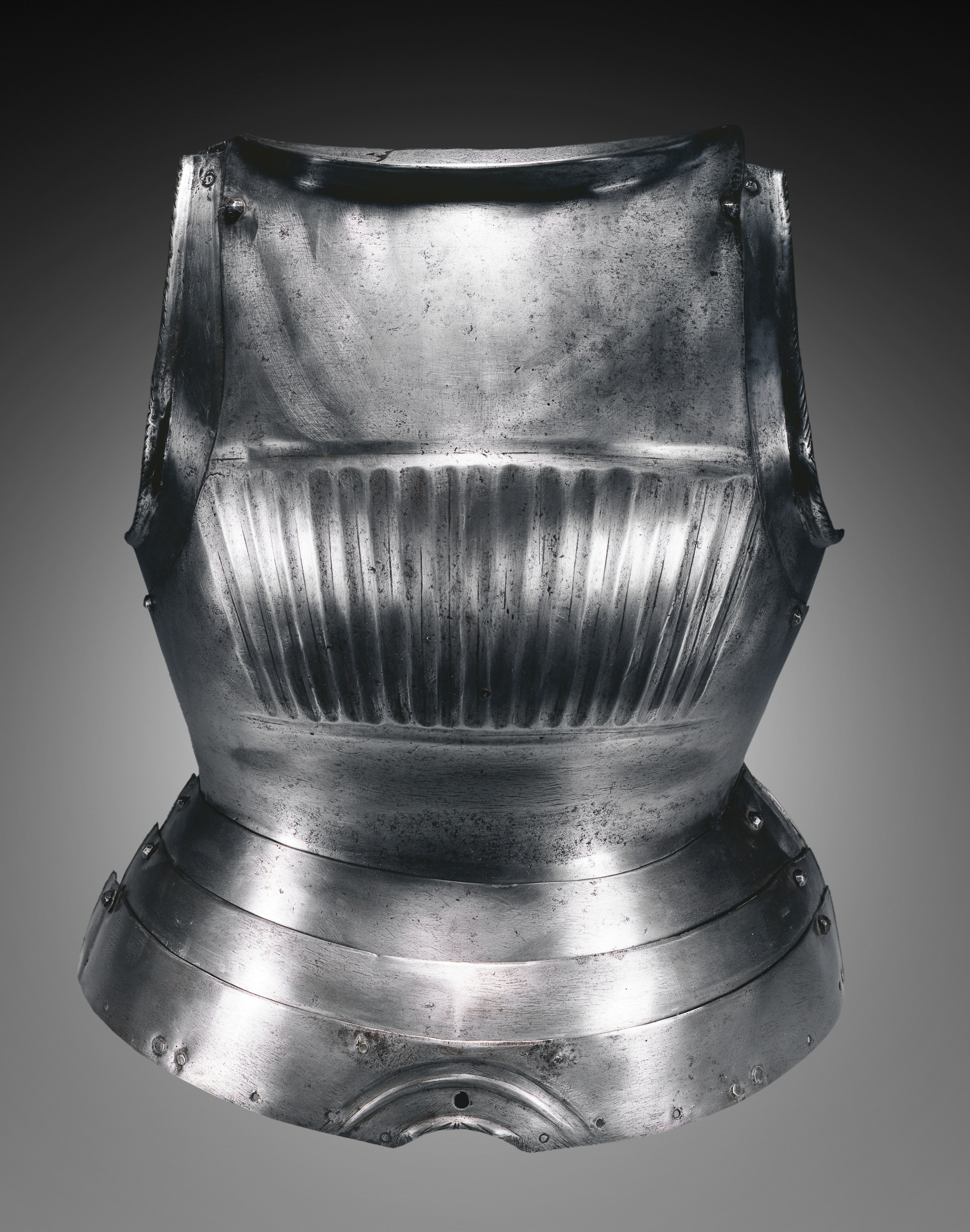
At Zoey Fashion Lab, we approach historical artifacts not as relics, but as blueprints for radical reinvention. The subject of this analysis—a breastplate in the Maximilian style, originating from early 16th-century Germany, likely Nuremberg—presents a fascinating case study in structural logic, material dialogue, and aesthetic ambition. Crafted from steel with brass rivets, this piece embodies a pinnacle of late medieval armor technology. However, for our avant-garde deconstruction, we view it as a new DNA strand: a genetic code of form, function, and ornamentation that can be spliced, mutated, and re-expressed in contemporary fashion. This analysis will dissect the breastplate’s technical and stylistic DNA, then project its potential for avant-garde transformation.
Technical DNA: Steel, Rivets, and the Logic of Protection
The Maximilian breastplate is a masterpiece of metallurgical engineering. Its defining characteristic is the fluted surface, a series of parallel, undulating ridges that run vertically across the chest and abdomen. This is not merely decorative; the fluting serves to deflect blows, distribute impact force, and significantly increase the structural rigidity of the steel without adding excessive weight. The steel itself, likely a medium-carbon alloy, was forged, hardened, and tempered to achieve a balance between resilience and malleability. The brass rivets, often found at the edges and along the fluting’s crests, serve a dual purpose: they fasten the multiple plates (such as the main breastplate, the fauld protecting the lower torso, and the tassets covering the thighs) together, and they provide a visual accent of warm gold against the cold, polished steel.
From a deconstructionist perspective, the breastplate’s technical DNA reveals several key principles:
- Structural Fluting: The ridges create a dynamic, three-dimensional surface that can be reinterpreted as textural pleating, sculptural draping, or laser-cut latticework in modern materials like resin, carbon fiber, or even structured organza.
- Modular Assembly: The riveted joints between plates suggest a system of detachable components. In avant-garde fashion, this could translate to a jacket or bodice with interchangeable panels, zippered seams, or magnetic closures that allow the wearer to reconfigure the silhouette.
- Material Contrast: The pairing of steel and brass embodies a dialogue between hard and soft, dark and light, matte and polished. This binary can be echoed through combinations of matte neoprene with metallic foil, or polished leather with brushed aluminum hardware.
- Ergonomic Articulation: The breastplate’s curvature mirrors the human torso, but its fluting and plate overlaps allow for limited mobility. Deconstructing this leads to exoskeletal silhouettes that exaggerate the body’s lines—sharp shoulders, cinched waists, extended torsos—while maintaining a sense of kinetic energy.
Stylistic DNA: The Maximilian Aesthetic as Avant-Garde Catalyst
The Maximilian style, named after Holy Roman Emperor Maximilian I, is characterized by its chivalric romanticism and Gothic revivalism. The fluting evokes the ribbed vaults of cathedrals, while the brass rivets mimic the studded details of medieval manuscripts. This breastplate is not just armor; it is a narrative object, a symbol of status, honor, and martial prowess. For Zoey Fashion Lab, this narrative becomes a springboard for conceptual storytelling.
Key stylistic elements for avant-garde reinterpretation include:
- The Fluted Line: The vertical ridges can be translated into exaggerated seaming on a coat, sculptural padding on a dress, or 3D-printed lattice on a bustier. The rhythm of the fluting—its repetition and variation—suggests a serialized pattern that can be scaled, rotated, or distorted.
- The Brass Rivet: The rivet is a point of tension and connection. In avant-garde fashion, it can be reimagined as oversized grommets, metallic eyelets, or jewel-like studs that punctuate seams, hems, and closures. The rivet’s functional role becomes ornamental, a signature detail that speaks to the garment’s engineered nature.
- The Gothic Silhouette: The breastplate’s shape—a broad chest tapering to a narrow waist—echoes the wasp-waisted ideal of the 16th century. Deconstructing this silhouette leads to corsetry that is both restrictive and liberating, or shoulder extensions that create a dramatic, armored profile.
- The Patina of Age: The breastplate’s surface, with its scratches, dents, and oxidation, carries the memory of use. Avant-garde fashion can replicate this through distressed finishes, hand-painted oxidation effects, or layered fabrics that mimic the appearance of weathered metal.
Avant-Garde Projections: The New DNA Strand in Action
To synthesize these technical and stylistic elements, Zoey Fashion Lab proposes three avant-garde garments that deconstruct the Maximilian breastplate into a new DNA strand for contemporary fashion.
Project 1: The Fluted Exoskeleton Jacket
This piece reinterprets the breastplate’s structural fluting as a series of laser-cut, interlocking panels made from blackened stainless steel mesh and matte neoprene. The panels are riveted together with polished brass hardware, echoing the original’s modularity. The jacket’s silhouette is exaggerated: broad, fluted shoulders taper to a cinched waist, while the hem flares out in a Gothic revival peplum. The interior is lined with a deep burgundy velvet, a nod to the chivalric romance of the original. The jacket is designed to be worn as a standalone top or over a sheer, deconstructed dress, creating a dialogue between armor and vulnerability.
Project 2: The Riveted Body-Lattice Bodice
This bodice deconstructs the breastplate’s brass rivets into a three-dimensional lattice of hand-stitched leather and metallic thread. The lattice is built over a sheer, stretch-mesh base, creating a second-skin effect that is both structural and ethereal. The rivets themselves are replaced by custom-cast brass studs that form a repeating pattern of fluted lines across the chest and abdomen. The bodice’s silhouette is corseted but flexible, with articulated panels that allow for movement. The overall effect is one of exposed engineering, where the garment’s construction becomes its primary aesthetic.
Project 3: The Patina-Coat with Serial Fluting
This long coat reimagines the breastplate’s surface as a hand-painted patina on a base of waxed canvas and copper-infused leather. The fluting is translated into serial, vertical pleats that are heat-set into the fabric, creating a rhythmic, sculptural texture. The brass rivets are replaced by oversized, oxidized copper grommets that run along the seams and hemlines. The coat’s silhouette is elongated and dramatic, with a high, fluted collar that frames the face and a train that trails behind like a metallic shadow. The patina is allowed to evolve over time, with the garment becoming a living artifact that records its own history.
Conclusion: The Armor as Avant-Garde Archetype
The Maximilian breastplate, in its original form, is a testament to the fusion of function and artistry. For Zoey Fashion Lab, it serves as a new DNA strand—a genetic template that can be extracted, manipulated, and expressed in radically new forms. By deconstructing its technical logic (fluting, modularity, material contrast) and its stylistic narrative (Gothic romanticism, chivalric symbolism), we unlock a vocabulary of avant-garde possibilities. The fluted exoskeleton jacket, the riveted body-lattice bodice, and the patina-coat with serial fluting are but three expressions of this genetic code. Each garment carries the memory of the original—the clang of steel, the gleam of brass, the weight of history—while projecting a future where fashion is not just worn, but inhabited as a second skin of engineered beauty. At Zoey Fashion Lab, we do not replicate the past; we deconstruct it to forge the future.