The Silken Anomaly: A Structural Autopsy of Japanese Avant-Garde for SS26
In the rarefied air of the Zoey Fashion Laboratory, where the dialectic of fabric and form is perpetually interrogated, the subject of this analysis emerges not as a garment, but as a manifesto rendered in silk. This piece, originating from the crucible of Japanese avant-garde design, presents a radical departure from conventional couture. It is a study in controlled chaos, a testament to the power of compound-weave technology to subvert the very nature of a fabric historically associated with softness, drape, and fluidity. For the Spring/Summer 2026 season, this object does not merely clothe; it redefines the architecture of the body, proposing a new silhouette that is simultaneously alien and intimately tactile.
Deconstructing the Compound Weave: Beyond Surface Tension
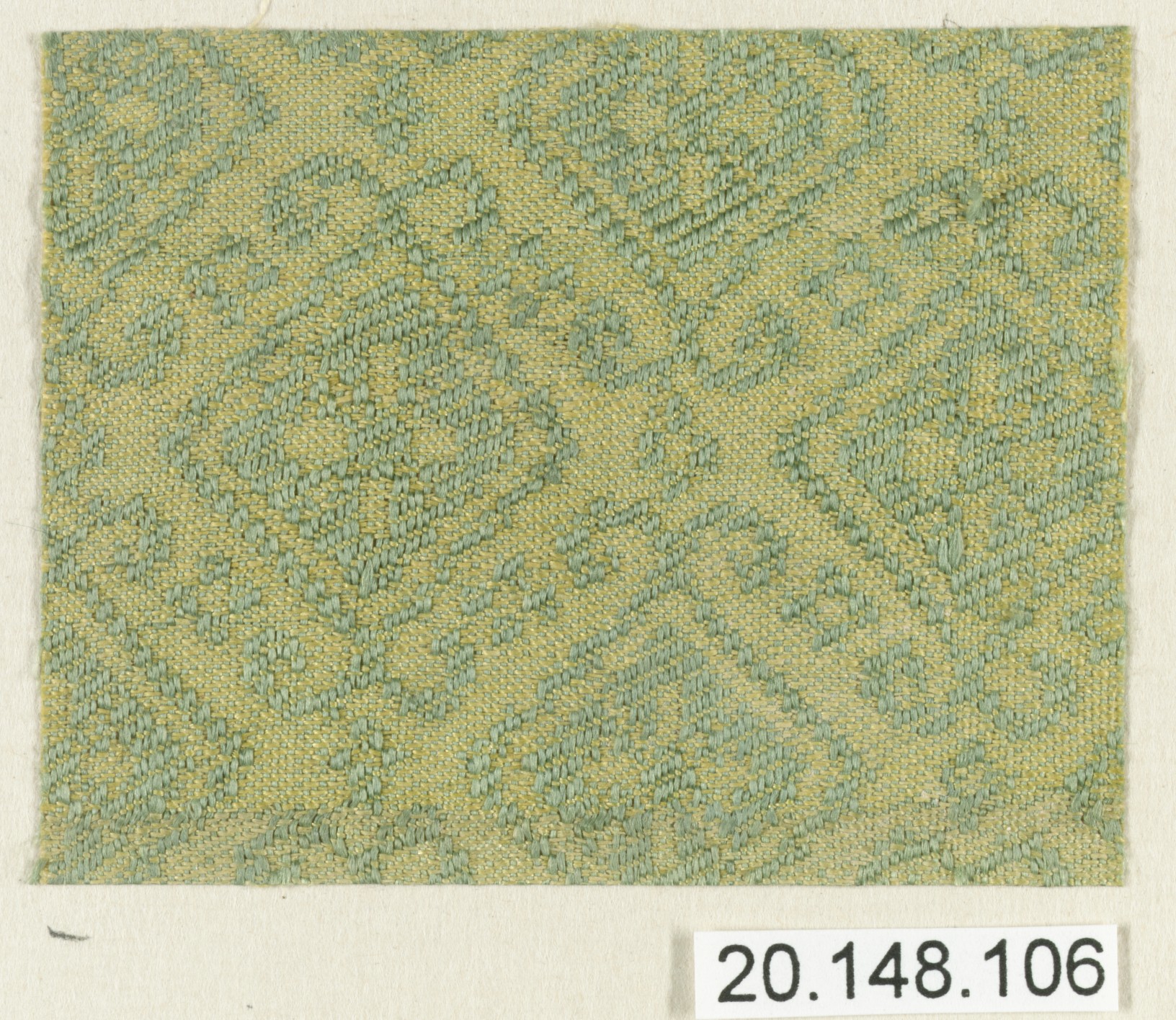
The material foundation of this piece is its primary subversion. Traditional silk, prized for its liquid luster and gentle fall, is here transformed through a compound-weave construction that introduces rigid, almost geometric, structural properties. The weave does not simply create a surface pattern; it engineers a three-dimensional topography. Interlaced with fine, almost invisible, structural yarns—likely a high-tenacity nylon or a bio-engineered filament—the silk is forced into a state of permanent tension. This creates a fabric that can hold a crease, a fold, or a cantilevered edge with the precision of architectural steel, yet retains the organic, slightly irregular hand of its base fiber.
The visual effect is a paradox: the fabric appears to be in a state of arrested motion, as if frozen mid-drape. This is not the static, polished finish of Western haute couture, but a dynamic, almost geological surface. The compound weave introduces micro-pockets of air and shadow, creating a chameleonic interplay of light that shifts with the viewer’s angle. The silk’s natural iridescence is amplified and fractured, producing a moiré effect that is less about color and more about the illusion of depth. This is not a fabric that receives light; it actively diffracts it, generating its own volumetric presence.
Futuristic Silhouette: The Exoskeletal Second Skin
The silhouette of this piece is the laboratory’s most provocative statement for SS26. It rejects both the organic, body-con forms of sportswear and the exaggerated, historical volumes of classic couture. Instead, it proposes a hybrid exoskeleton—a garment that wraps the torso in a series of interlocking, asymmetrical panels that seem to grow from the body rather than merely cover it. The shoulders are not padded but are built outward through a series of folded, origami-like pleats that create a sharp, avian profile. The waist is not cinched but is defined by a negative-space void, where the compound-weave structure is left unsupported, creating a window of bare skin between the upper and lower sections of the garment.
The hemline is a study in controlled asymmetry. It does not fall straight but rather cascades in a series of stepped, angular planes, each one a different length and depth. This is not the romantic, flowing asymmetry of the nineties; it is a digital-age asymmetry, precise and algorithmic. The back of the piece is where the structural innovation reaches its apex. A central spine-like seam, reinforced by the compound weave, rises from the lower back to the nape of the neck, creating a subtle, almost imperceptible hump. This is not a deformity but a deliberate architectural intervention, reorienting the viewer’s perception of the human form. The garment does not follow the body’s natural contours; it imposes a new, futuristic topography upon it.
Structural Innovation: The Logic of the Fold and the Void
The innovation here is not merely in the silhouette but in the logic of its construction. Traditional tailoring relies on darts, seams, and internal structures (boning, canvas) to shape fabric. This piece, by contrast, uses the compound weave as its own structural armature. The folds are not sewn; they are woven into the fabric’s memory. The pleats are not pressed; they are the natural consequence of the yarn’s tension. This represents a paradigm shift from construction to cultivation. The garment is not built; it is grown from the loom.
A key feature is the integration of negative space as a structural element. Several sections of the garment are left deliberately open, with the compound weave forming a delicate, latticed web that connects one panel to the next. This is not a decorative cutout; it is a load-bearing void. The fabric’s tension holds these gaps open, creating a visual and physical bridge between the garment and the body. The effect is that of a second, ethereal skeleton that hovers just above the skin. This is a direct challenge to the idea of clothing as a covering. Here, clothing is a spatial intervention—a volume that exists in dialogue with the void it creates.
Contextualizing the Piece: A Standalone Avant-Garde Study
As a standalone study, this piece resists easy categorization. It is not a dress, a jacket, or a top. It is a wearable architectural fragment, a proposition for a new way of inhabiting space. Its origin in Japanese design is critical. The Japanese avant-garde has long been fascinated with the concept of ma—the meaningful void, the interval between objects. This piece is a physical manifestation of that philosophy. The negative spaces, the asymmetrical planes, the tension between the rigid weave and the soft skin—all are expressions of this interstitial aesthetic.
For SS26, this piece signals a definitive break from the nostalgia-driven trends that have dominated recent seasons. It does not reference the past; it projects a future where garments are not draped, cut, or sewn, but programmed and grown. The compound weave is a precursor to a future where fabric itself is an intelligent material, capable of self-structuring and responding to its environment. The silk, with its organic origins, grounds this future in a tactile, sensory reality. The result is a garment that is both a radical departure and a deeply considered meditation on the relationship between the body, the material, and the space they occupy.
In the Zoey Fashion Laboratory, this piece is not a conclusion but a hypothesis. It asks: What if clothing were not a second skin, but a new skeleton? What if fabric were not a surface, but a structure? The answers, woven into this compound-silk anomaly, are as unsettling as they are beautiful.