Deconstructing the Sovereign: An Avant-Garde Analysis of the Five Pound Piece
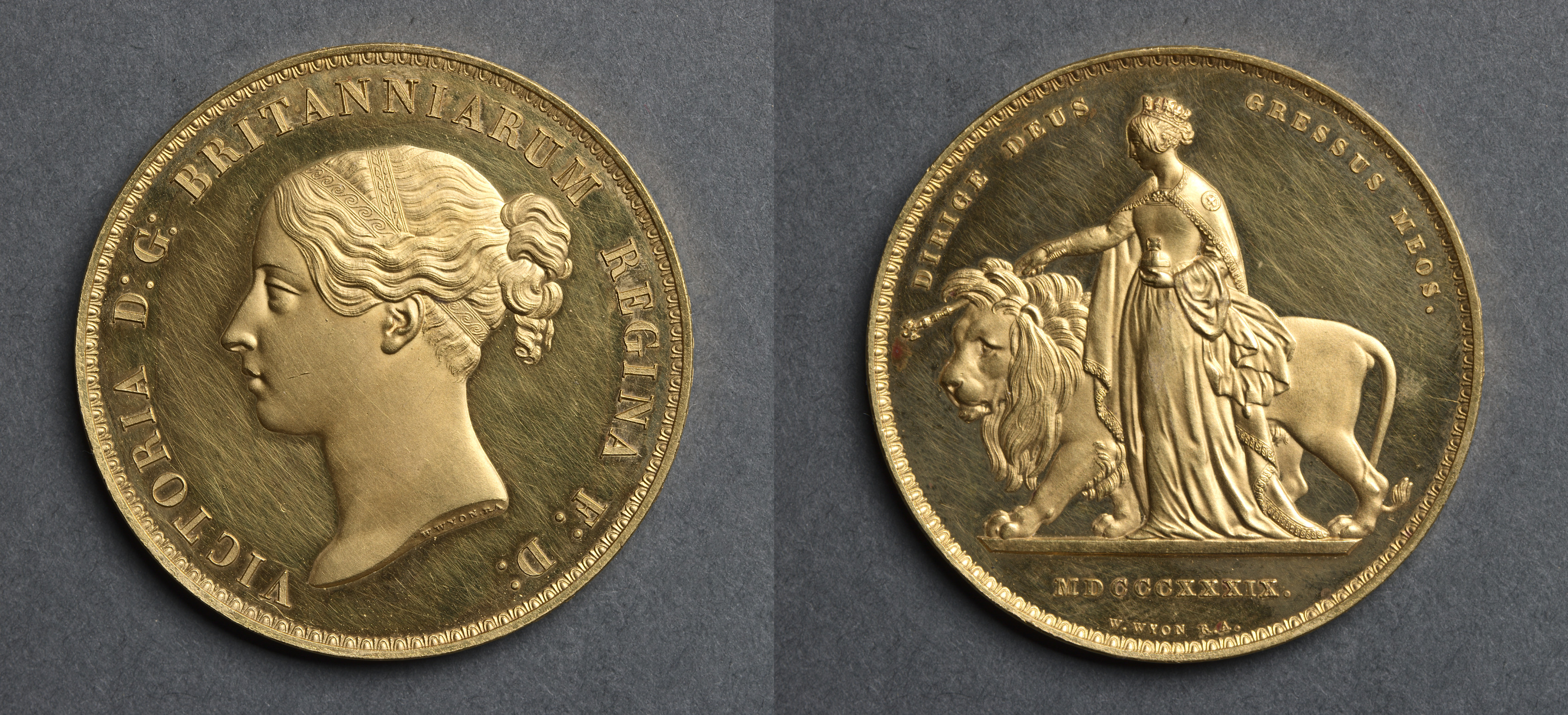
At Zoey Fashion Lab, our mission is to dismantle the conventional, to excavate the narratives embedded within material culture, and to reassemble them through the lens of avant-garde fashion. The object under our deconstructive gaze is a numismatic masterpiece: the British Five Pound Piece, struck during the reign of Queen Victoria (1837-1901). This is not merely a coin; it is a portable monument, a compressed archive of empire, identity, and artistic ambition. Our analysis, guided by the evocative Archive Resonance—“一面是光洁银镜上以黄金镶嵌的纷繁棕叶纹,另一面是冰冷石棺板上以浮雕诉说的生命叙事”—will dissect its dualistic nature. We will explore how the obverse, with its regal portrait, functions as a polished, reflective surface of authority, while the reverse, featuring the allegorical figure of Una and the lion, becomes a sculpted, narrative-bearing slab. This tension between surface and depth, mirror and monument, forms the core of our avant-garde interpretation.
The Obverse: The Mirror of Sovereignty
The obverse of the Five Pound Piece presents the mature, draped bust of Queen Victoria, crowned and facing left. This is not a spontaneous likeness but a carefully constructed icon. The polished gold field acts as the “光洁银镜” (smooth silver mirror) described in the Archive Resonance. The profusion of intricate palm leaf patterns—the “纷繁棕叶纹”—that frame the monarch’s profile are not mere decoration. They are a sublimated text, a botanical code signifying victory, peace, and imperial reach. The palm, a symbol of triumph, is here rendered in meticulous, almost obsessive detail, creating a halo of organic complexity around the rigid, stoic face of the sovereign.
For the avant-garde designer, this obverse is a study in surface tension. The coin’s mirror-like finish reflects the viewer, implicating them in the act of looking. Yet the dense, engraved palm fronds create a barrier, a textural interference that prevents a passive reading. This is a reflection that demands engagement. The Queen’s gaze, fixed and distant, does not meet our eyes; it projects an authority that is both present and untouchable. In fashion terms, this is the armor of the sovereign—a highly polished, impenetrable surface that communicates power through its very refusal to be intimate. The palm leaves, like an intricate brocade or a complex jacquard weave, become a tactile allegory for the labor and luxury required to maintain empire. They are the decorative excess that both adorns and obscures the central figure.
The Reverse: The Narrative Relief of Una
Flipping the coin reveals its counterpoint: the reverse, designed by William Wyon, depicts the allegorical figure of Una, from Edmund Spenser’s The Faerie Queene, leading a lion. This is the “冰冷石棺板上以浮雕诉说的生命叙事” (the life narrative told in relief on a cold sarcophagus slab). The gold here is not a mirror but a bas-relief surface, a sculpted stage where a story unfolds. Una, representing Truth, holds a scepter and leads the lion, symbolizing England, with a gentle but firm hand. The background is stark, almost architectural, evoking a classical frieze or a tombstone.
This is a profound shift from the obverse’s reflective authority to a narrative depth. The “cold sarcophagus slab” is a powerful metaphor for the coin as a memorial object. It commemorates not just a monarch but an idealized vision of national character: strength tempered by virtue, power guided by truth. The relief work is deep and dramatic, casting shadows that give the figures a three-dimensional, almost theatrical presence. For the avant-garde, this reverse is a deconstructed tableau. The lion, with its muscular form, is not a domesticated pet but a raw, untamed force, barely contained by Una’s delicate hand. This tension—between control and chaos, civilization and nature—is the core narrative thread.
The “life narrative” is not a linear story but a frozen moment of potential. Una’s gaze is forward, the lion’s is alert. The coin captures the instant before action, the threshold of transformation. This is the essence of avant-garde design: the ability to hold a concept in suspension, to present a narrative that is both complete and open-ended. The reverse invites the viewer to step into the story, to become part of the allegory. It is a portal, not a conclusion.
Avant-Garde Synthesis: Mirror and Monument
The Five Pound Piece’s true genius lies in the dialectical relationship between its two faces. The obverse is the public mask, the polished, reflective surface of state power. The reverse is the private myth, the deep, narrative-bearing interior. One is about presence; the other is about story. One is about the now; the other is about the timeless. This duality is the fundamental tension that an avant-garde fashion practice must exploit.
Consider how this translates into garment design. The obverse inspires a surface-driven aesthetic: mirrored fabrics, laser-cut metallic appliqués that mimic palm fronds, and structured silhouettes that project an imperious, untouchable form. The reverse, however, calls for narrative layering: deep relief textures, sculpted panels that tell a story through their folds and shadows, and a palette that moves from bright gold to deep, shadowed bronze. A Zoey Fashion Lab collection inspired by this coin would not choose one side over the other. Instead, it would weave them together, creating garments that are both mirror and monument.
Imagine a coat that is polished gold on one shoulder, reflecting the viewer’s own image, while the other shoulder is a deep, sculptural relief of a lion’s mane, rendered in layered, metallic leather. The hem might be a fringe of palm leaves, each one individually cast in resin, creating a tactile border between the mirror and the narrative. The garment becomes a wearable archive, a compressed space where authority and myth coexist. The wearer is not just adorned; they are activated as a participant in the allegory, a living embodiment of the coin’s dual nature.
Conclusion: The Coin as a Deconstructive Tool
The Five Pound Piece, in its original context, was a tool of commerce and a symbol of imperial might. In the hands of Zoey Fashion Lab, it becomes a deconstructive tool for reimagining the relationship between surface and depth, power and narrative. The Archive Resonance’s image of the “smooth silver mirror” and the “cold sarcophagus slab” is not a description of two separate objects but a single, fractured identity. The coin is both at once. It is a mirror that reflects a story, and a monument that reflects a face.
Our avant-garde analysis reveals that the true value of this object is not its gold content but its conceptual tension. It challenges us to see fashion not as a mere covering but as a site of narrative construction. The obverse demands we consider the politics of reflection—who is looking, and who is being seen. The reverse demands we engage with the mythologies we wear—the stories we tell about power, truth, and identity. By deconstructing this coin, we have not destroyed it but liberated its potential. It is no longer a relic of the past but a blueprint for the future of fashion: a future where every garment is a mirror, every silhouette is a monument, and every thread tells a story.