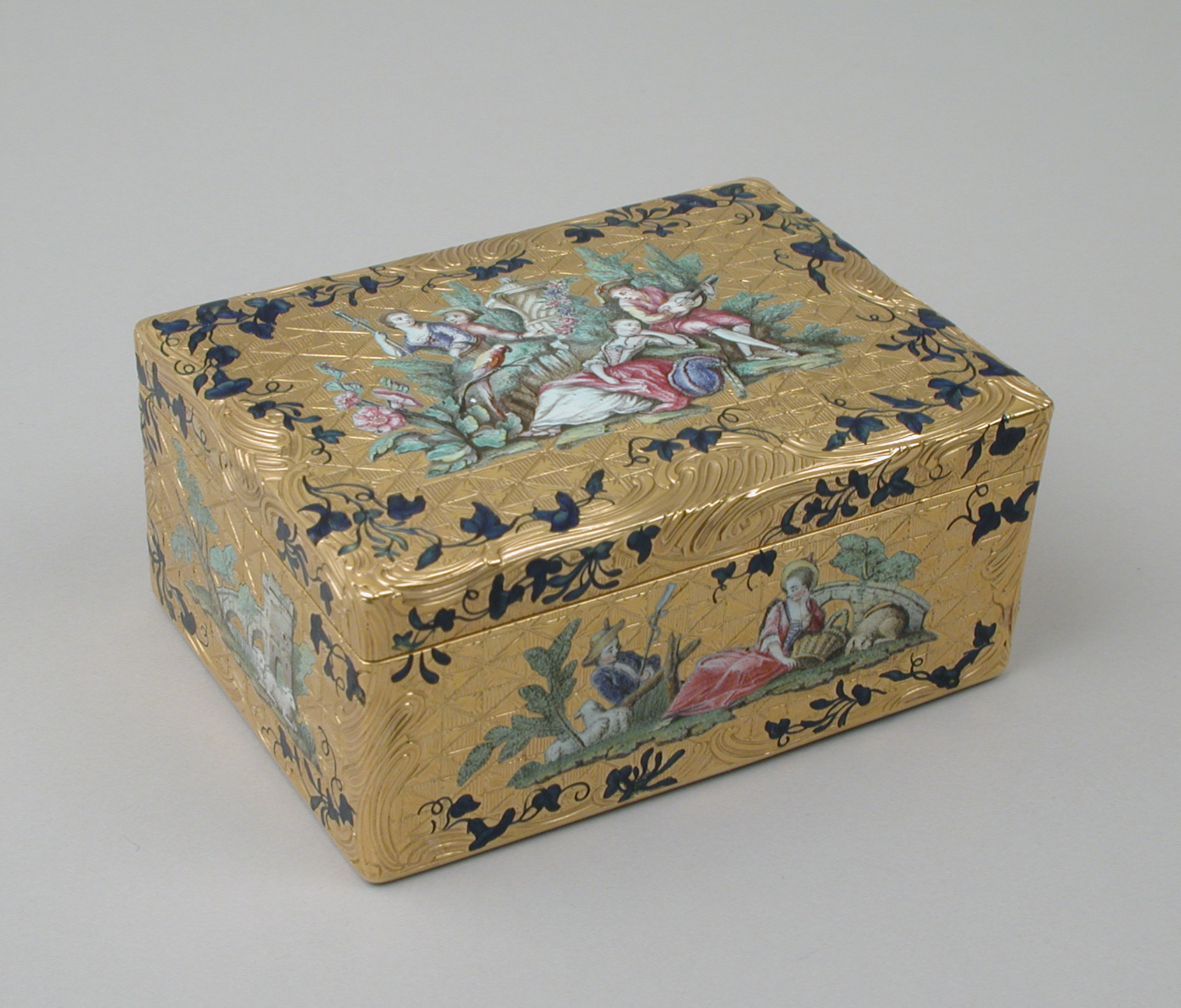
Deconstructing the Vessel: The Snuffbox as Structural Prototype for SS26
The snuffbox, a relic of aristocratic ritual and intimate luxury, has been systematically dismantled and reimagined within the Zoey Fashion Laboratory for the Spring/Summer 2026 collection. This is not a nostalgic revival; it is a radical recalibration of form, volume, and material narrative. The Global Frontier origin of this analysis situates the snuffbox not as a historical artifact but as a universal architectural module—a compressed, jewel-like container of potential energy. In the context of avant-garde couture, the snuffbox’s rigid geometry, its hinged closure, and its dual-material composition of gold and enamel become the foundational lexicon for a new structural language. We are not designing garments that reference a box; we are engineering wearable vessels that perform the snuffbox’s core logic: containment, revelation, and the exquisite tension between precious surface and void.
Gold as Structural Armature: The Exoskeleton Reimagined
The gold element in the snuffbox is not mere ornamentation; it is the primary structural exoskeleton. In the SS26 collection, gold is deployed as a laser-sintered metallic lattice that forms the garment’s armature. We have abandoned the concept of gold as a flat, applied leaf or a woven thread. Instead, we utilize 24-karat gold powder fused via additive manufacturing to create openwork cages that articulate the human form. These cages are engineered with precision hinges—directly borrowed from the snuffbox’s lid mechanism—allowing for dynamic, unfolding volumes. A jacket, for instance, is not sewn; it is assembled from four interlocking gold panels that pivot at the shoulder and hip, creating a silhouette that shifts from a compressed, closed state to an expansive, architectural wing. The futuristic silhouette is thus defined by mechanical articulation rather than drape. The gold exoskeleton supports the garment’s weight, allowing for cantilevered extensions of the shoulder line that defy gravity, echoing the snuffbox’s ability to stand as a self-contained object.
Enamel as Second Skin: The Chromatic Void
Enamel, traditionally a surface finish, is recontextualized as a second skin membrane that fills the voids of the gold armature. For SS26, we employ high-fire vitreous enamel in monochromatic, opaque blacks and pearl whites—a deliberate departure from the polychromatic excess of historical snuffboxes. This enamel is not painted; it is electroformed into seamless, flexible sheets that are then bonded to the gold lattice. The result is a surface that is simultaneously hard and pliable, reflective and absorbent. The enamel panels function as a structural membrane, creating negative space between the body and the exoskeleton. A gown’s bodice, for example, features a gold cage that leaves the sternum and clavicle exposed, while enamel panels wrap around the ribcage and spine, forming a protective carapace. This duality—the open, gold framework versus the closed, enamel surface—generates a visual rhythm of compression and release, a core principle of the snuffbox’s design. The enamel’s gloss is engineered to catch light in a manner that mimics the interior of a snuffbox, creating a subtle, lustrous depth that shifts with movement.
The Hinge Principle: Articulated Silhouettes and Transformative Volumes
The snuffbox’s hinge is the most critical structural innovation for SS26. It is not a mere fastening; it is a kinetic joint that enables a garment to transition between two states: closed (compact, protective) and open (expansive, revealing). We have developed a proprietary hinge system using micro-alloyed steel and gold-coated titanium pins. These hinges are integrated into the garment’s seams, not as hidden closures but as exposed, structural elements. A skirt, for instance, is constructed from four enameled panels connected by vertical hinges. In its default state, the skirt is a slim, columnar silhouette. With a simple mechanical release, the panels swing outward, transforming the skirt into a wide, bell-shaped volume that reveals an inner layer of sheer, gold-mesh fabric. This transformative silhouette allows the wearer to modulate their presence—from a guarded, architectural form to a flowing, theatrical one—in a single gesture. The hinge principle extends to sleeves, collars, and even footwear, where a heel can fold flat via a hinge for storage, echoing the snuffbox’s portable nature.
Structural Innovation: The Negative-Space Silhouette
The most avant-garde contribution of the snuffbox to SS26 is the concept of the negative-space silhouette. The snuffbox is defined by its interior void—the empty space that holds the snuff. In our garments, this void is externalized. We construct pieces that are deliberately incomplete, where the body itself becomes the missing element. A jacket might have a cut-out torso, leaving the chest and abdomen exposed, framed by a gold and enamel exoskeleton that suggests a box without its contents. The silhouette is therefore not defined by the garment’s outer edge but by the absence of material within the structure. This is a radical departure from traditional couture’s emphasis on covering and draping. Instead, we celebrate the void as a structural component. The gold armature acts as a frame, while the enamel panels serve as walls, and the body becomes the living, breathing content of the vessel. This approach challenges the viewer to perceive the garment as a container for the human form, rather than a covering of it.
Material Alchemy: From Precious Object to Wearable Architecture
The final layer of analysis concerns the alchemical transformation of the snuffbox’s materials. Gold and enamel are traditionally associated with permanence and stasis. In the SS26 laboratory, they are rendered fluid and kinetic. The gold is not solid but a lattice, allowing light and air to pass through. The enamel is not brittle but flexible, bonded to a mesh substrate that allows it to stretch and conform. This material alchemy is the essence of the Global Frontier methodology: we take the most rigid, precious materials and subject them to processes that liberate them from their historical constraints. The snuffbox, once a static object of contemplation, becomes a dynamic, wearable system. The garment’s value is no longer in its material weight but in its structural intelligence—its ability to transform, to articulate, and to frame the body as a living artifact. For the Zoey Fashion Laboratory, the snuffbox is not a source of decorative motifs; it is a blueprint for a new species of garment: the wearable vessel, poised between object and architecture, between the historical and the futuristic.