Introduction: Unraveling the Threads of Time
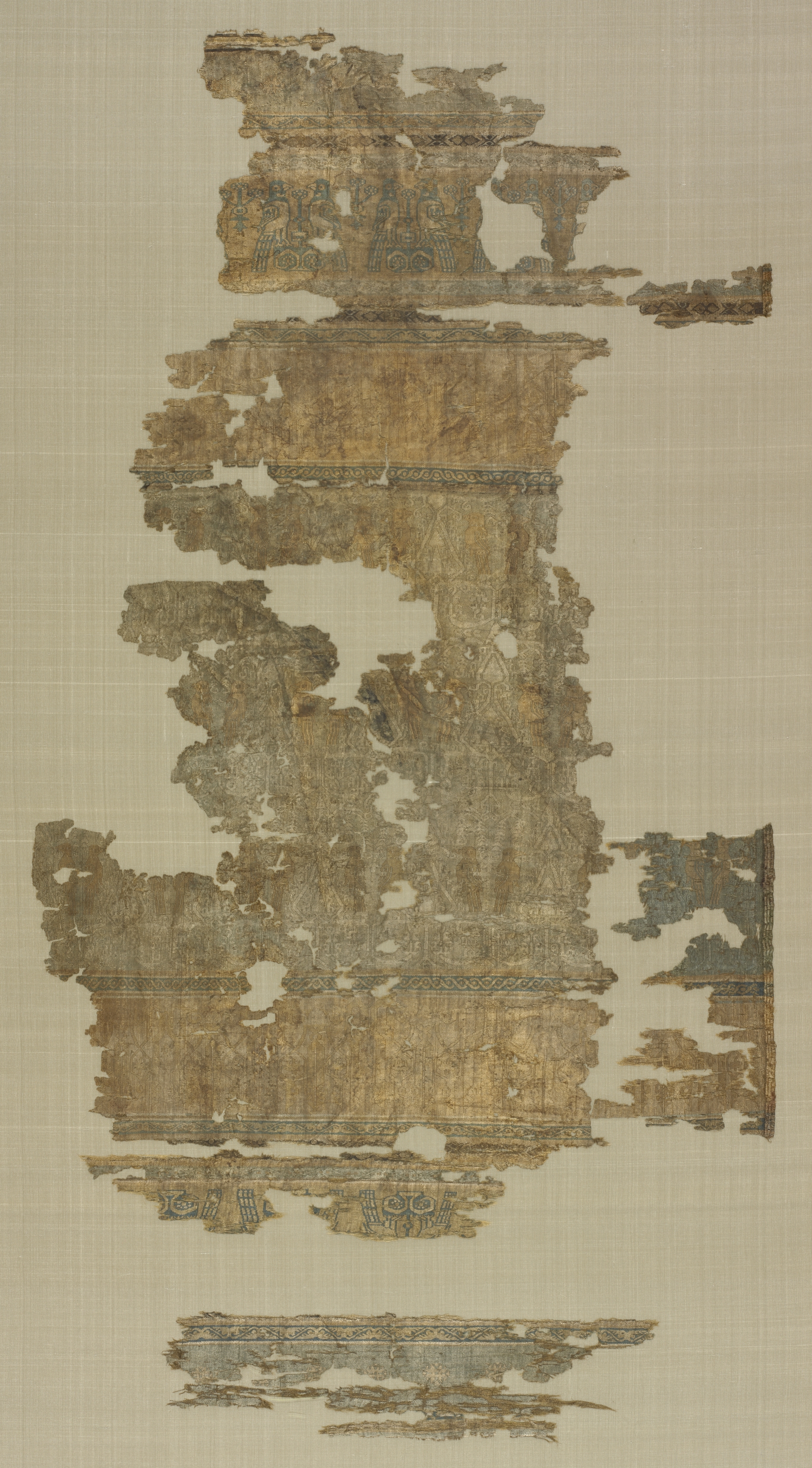
At Zoey Fashion Lab, our mission is to deconstruct the past to reconstruct the future of fashion. In this analysis, we examine a collection of silk fragments originating from Syria, specifically woven in the samite technique. These fragments, dating to the early medieval period (circa 6th–9th centuries CE), represent a pinnacle of textile craftsmanship from the Silk Road era. However, our focus extends beyond historical preservation. We approach these fragments as a new DNA strand—a biological and cultural code that can be reinterpreted through an avant-garde lens. By analyzing their technical, material, and symbolic properties, we propose a radical reimagining of samite silk for contemporary fashion design.
Technical Analysis: The Samite Silk Structure
Weave and Composition
Samite is a compound weave structure, typically using a warp-faced technique with multiple weft threads. In these Syrian fragments, the primary material is silk, with occasional metallic threads (silver or gold) for added luster. The weave is dense, with a count of approximately 60–80 warp threads per centimeter, creating a fabric that is both rigid and luxurious. The fragments display a twill or satin derivative base, with supplementary wefts forming intricate patterns—often geometric or zoomorphic motifs. This technical precision reflects the advanced looms and dyeing practices of Syrian workshops, which were hubs for silk production during the Umayyad and Abbasid caliphates.
Color Palette and Dyes
The fragments exhibit a muted yet rich palette: deep indigo, madder red, and saffron yellow, with traces of green from copper-based mordants. These colors were achieved using natural dyes, such as indigofera tinctoria for blue and Rubia tinctorum for red. The dyeing process was labor-intensive, involving multiple baths and mordanting with alum. The resulting hues are not only aesthetically striking but also chemically stable, as evidenced by their survival over centuries. For an avant-garde reinterpretation, we could consider synthetic analogs that replicate these colors with enhanced vibrancy, or even bioengineered pigments derived from the same plant sources.
Cultural and Historical Context: Syria as a Silk Road Nexus
Trade and Symbolism
Syria’s strategic location along the Silk Road made it a melting pot of textile traditions. These fragments likely originated from a tunic or ecclesiastical garment, as samite was often reserved for elite or religious use. The motifs—such as stylized lions, birds, and interlocking circles—reflect a fusion of Byzantine, Persian, and Central Asian influences. This cultural hybridity is a new DNA strand in itself: a genetic code of cross-cultural exchange that can inspire avant-garde designs. For example, the geometric patterns could be deconstructed into asymmetric laser-cut overlays, while the animal motifs could be abstracted into digital prints that morph between organic and mechanical forms.
Symbolic Weight
Silk in Syrian culture was not merely a fabric; it was a symbol of power, spirituality, and craftsmanship. The samite technique, with its labor-intensive process, embodied the value of time and skill. In an avant-garde context, we can challenge this symbolism by using recycled silk or lab-grown silk proteins, thereby questioning notions of luxury and sustainability. The fragments become a DNA strand that encodes both tradition and rebellion—a starting point for designs that honor the past while disrupting its conventions.
Avant-Garde Reinterpretation: From Fragment to Future
Deconstruction and Reconstruction
The first step in our avant-garde approach is to deconstruct the fragments. Instead of preserving them intact, we propose cutting them into smaller shapes—triangles, hexagons, or irregular polygons—and reassembling them using 3D-printed connectors or biodegradable adhesives. This process mimics the DNA replication where fragments are spliced and recombined. The resulting garment could be a modular bodice that allows the wearer to rearrange the silk pieces, creating a dynamic, interactive experience. The samite’s rigidity becomes an asset, providing structural support for the modular system.
Material Innovation: Silk as a Biological Code
Our reference to a new DNA strand is not merely metaphorical. We can extract fibroin proteins from the silk fragments and use them to create bioengineered silk threads via recombinant DNA technology. These threads could be programmed to change color in response to temperature or light, or to emit subtle luminescence. For example, the indigo dye could be replaced with a chromatic pigment that shifts from blue to violet based on the wearer’s body heat. This transforms the fragments from static artifacts into living textiles that evolve over time.
Pattern and Motif: Digital Abstraction
The traditional motifs—such as the lion or interlocking circles—can be digitized and abstracted. Using AI-driven pattern generation, we can create fractal versions of these motifs that scale infinitely, or glitch art that distorts the original forms. The resulting prints could be applied to the silk using digital embroidery or sublimation printing. For instance, a lion motif might be reduced to a series of angular lines that evoke both the original and a futuristic, robotic aesthetic. This approach honors the cultural DNA while pushing it into uncharted territory.
Practical Applications and Design Proposals
Garment Concepts
We propose three avant-garde designs based on these fragments:
- Deconstructed Tunic: A asymmetrical tunic made from reconstructed samite fragments, with exposed seams and laser-cut perforations that reveal a second layer of bioengineered silk. The tunic’s hem is irregular, mimicking the frayed edges of the original fragments.
- Modular Cape: A cape composed of individual samite tiles connected by magnetic clasps. The wearer can rearrange the tiles to create different patterns, from a geometric grid to a chaotic mosaic. The tiles are backed with thermochromic fabric that changes color with body heat.
- Interactive Dress: A floor-length dress with embedded LED fibers that trace the original motifs. The dress’s surface is made from recycled silk, with fragments of samite integrated as tactile accents. The LED patterns are controlled by a smartphone app, allowing the wearer to cycle through historical color schemes or futuristic neon palettes.
Sustainability and Ethics
This avant-garde approach also addresses sustainability. By using recycled silk and lab-grown proteins, we reduce the environmental impact of silk production. The modular designs extend garment life, as pieces can be replaced or reconfigured. Furthermore, the use of biodegradable materials ensures that these designs can return to the earth, mirroring the natural decay of the original fragments. The DNA strand metaphor extends to the lifecycle of the garment: it is born from the past, lives in the present, and decomposes into the future.
Conclusion: The Future of Silk as a Living Code
The Syrian samite silk fragments are not relics to be preserved in a museum; they are active genetic material for the next generation of fashion. By deconstructing their technical, cultural, and symbolic properties, we unlock a new DNA strand that can be spliced into avant-garde designs. At Zoey Fashion Lab, we see these fragments as a starting point for a dialogue between tradition and innovation, craftsmanship and technology, history and speculation. The result is a fashion that is both rooted and radical—a testament to the enduring power of silk as a medium for human expression. As we continue to explore these fragments, we invite the fashion world to join us in this deconstruction, not as an act of destruction, but as an act of creation.