Deconstructing the Saxon Helmet: An Avant-Garde Fabric Analysis for Zoey Fashion Lab
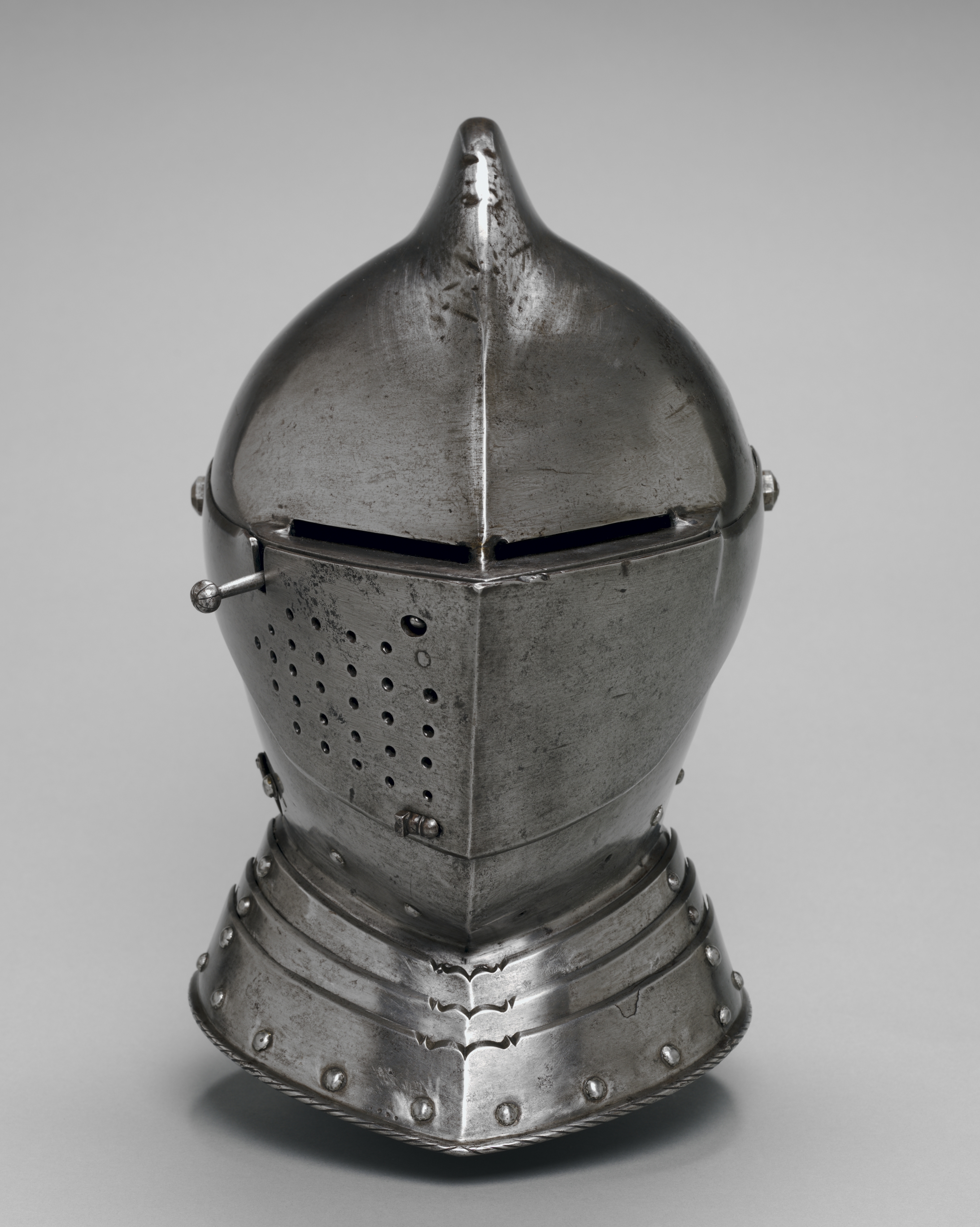
At Zoey Fashion Lab, our mission is to unravel the structural and aesthetic DNA of historical artifacts to inspire radical, forward-thinking design. The subject of this analysis—a 16th-century steel helmet from Saxony, Germany—presents a unique challenge. On the surface, it is a rigid, functional object of war, far removed from the pliable textiles we typically deconstruct. However, by applying our methodology of fabric deconstruction, we can extract a new conceptual strand: a "DNA strand" of form, texture, and tension that can be translated into avant-garde fashion. This helmet is not merely armor; it is a frozen moment of metallurgical artistry, a precursor to modern structural design, and a rich source of inspiration for reimagining the relationship between the body and its protective shell.
Technical Analysis: The Steel Substrate as a Fabric Analog
The primary material—steel—is the antithesis of traditional fabric. Yet, from a deconstructionist perspective, steel can be viewed as a high-tensile, non-woven textile. Its production involved heating, hammering, and shaping, akin to the processes of felting or molding. The helmet’s surface is not uniform; it bears the marks of its creation—subtle hammer blows, variations in thickness, and a patina of age. These are analogous to the weave, texture, and wear patterns of a garment.
For Zoey Fashion Lab, we identify three key technical properties of this steel "fabric":
- Rigidity with Localized Flexibility: The helmet’s curvature is not accidental. It was engineered to deflect blows, creating a dynamic tension between the rigid crown and the softer, more malleable brim (if present). This tension can be translated into structured yet articulated textiles, such as laser-cut leather or layered thermoplastics that mimic the helmet’s stress points.
- Surface as Narrative: The patina and scratches on the steel are a record of use. In fashion, this equates to distressed or reactive fabrics that change with wear, such as denim with fading patterns or fabrics treated with heat-sensitive dyes. The helmet’s surface tells a story of impact and endurance.
- Modular Construction: Many Saxon helmets were assembled from multiple plates, riveted or overlapped. This modularity is a direct precursor to deconstructivist fashion, where garments are composed of separate, reconfigurable panels. The seams and rivets become design elements, much like exposed zippers or contrasting stitchwork.
Formal DNA: The Avant-Garde Silhouette
The helmet’s silhouette—a domed crown, often with a visor or brim—is a powerful architectural form. For Zoey Fashion Lab, this is not a literal head covering but a sculptural blueprint for reimagining the human form. The helmet’s geometry suggests a new "second skin" that is both protective and expressive.
Key formal elements for avant-garde translation include:
- The Dome and the Void: The helmet creates a negative space around the head, a void that is both protective and isolating. In fashion, this translates to exaggerated headwear, shoulder structures, or neck pieces that frame the face while creating a sense of distance. Think of a high, stiff collar that mimics the helmet’s brim, or a hood that is rigid and architectural.
- The Visor as a Veil: The visor obscures and reveals, creating a dynamic of concealment. This can be adapted into asymmetric draping, layered mesh, or detachable face coverings that allow the wearer to control their visibility. The visor’s horizontal slits, designed for vision, can become cutouts or laser-perforated patterns in fabric.
- The Neck Guard as a Collar: The extended back of the helmet, protecting the neck, is a natural precursor to the high, structured collar seen in avant-garde designs by Rei Kawakubo or Yohji Yamamoto. This element can be exaggerated into a cape-like extension or a rigid, circular frame that alters the wearer’s posture.
Conceptual Strand: The New DNA of Protection and Identity
The helmet’s original function—protection in combat—is a metaphor for the psychological armor we wear today. In the 16th century, a Saxon knight’s helmet was a symbol of status, identity, and readiness for conflict. For Zoey Fashion Lab, this becomes a new DNA strand that explores the tension between vulnerability and strength.
Our deconstruction identifies three conceptual layers:
- Armor as Identity: The helmet was often decorated with crests or engravings, making it a personal statement. In fashion, this translates to customizable, modular garments that allow the wearer to project their identity through structural elements. Think of detachable shoulder pads, interchangeable panels, or embedded hardware that can be rearranged.
- Protection as Constraint: The helmet restricts movement and vision, a trade-off for safety. This duality is a rich source of avant-garde expression. Garments that bind, cage, or restrict—such as corsets or structured bodices—can be reimagined using the helmet’s geometry, creating pieces that are both confining and empowering.
- The Patina of Time: The helmet’s aged surface, with its scratches and rust, is a testament to its history. In fashion, this inspires aging techniques such as distressing, overdyeing, or using materials that naturally patina, like copper or untreated leather. The garment becomes a living record of its wear.
Avant-Garde Application: From Helmet to Haute Couture
To realize this analysis, Zoey Fashion Lab proposes a collection titled "Saxon Spectral." This line would translate the helmet’s technical and formal DNA into wearable, avant-garde pieces.
- Material Innovations: Use of carbon fiber-reinforced polymers for lightweight, rigid structures that mimic steel. Laser-sintered nylon for modular, interlocking panels. Coated cottons with a metallic sheen that develops a patina through wear.
- Silhouette Studies: A series of headpieces that are not helmets but architectural frames—half-domes that rest on the shoulders, visors that are translucent and detachable. Neck pieces that extend into sculptural collars, echoing the helmet’s neck guard. Shoulder structures that mimic the helmet’s dome, creating a protective, imposing profile.
- Construction Techniques: Exposed rivets and seams as decorative elements, referencing the helmet’s assembly. Layered panels that overlap like armor plates, but are made of sheer or flexible materials. Magnetic closures for modularity, allowing the wearer to reconfigure the garment.
The final piece in the collection would be a "Deconstructed Helmet Gown"—a floor-length dress with a rigid, dome-like collar that frames the head, a bodice composed of overlapping steel-gray panels, and a skirt that cascades in asymmetrical layers, mimicking the helmet’s patina and curvature. The dress would be both a tribute to the Saxon helmet and a radical reimagining of its protective function, transforming armor into an expression of avant-garde identity.
In conclusion, the 16th-century Saxon helmet is not a relic but a blueprint for innovation. By deconstructing its steel "fabric," formal geometry, and conceptual DNA, Zoey Fashion Lab can create garments that challenge the boundaries of fashion, merging history with the future, and protection with expression. This helmet is a new strand in the DNA of design—one that we are proud to unravel and reweave.