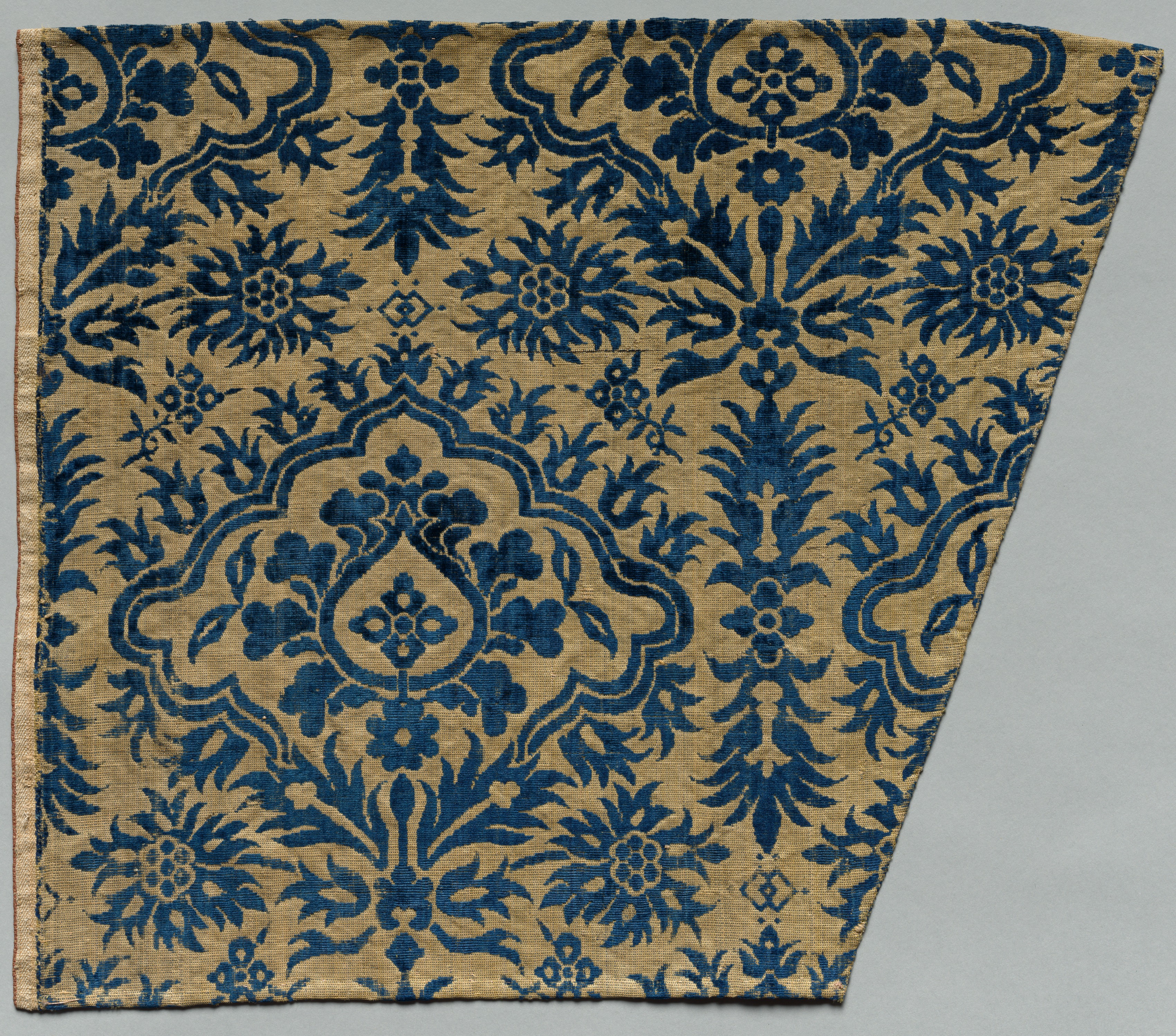
Deconstructing Velvet: A 17th-Century Chinese Legacy Reimagined for the Avant-Garde
At Zoey Fashion Lab, the role of the Chief Fabric Deconstructionist is to dissect not only the physical weave of a textile but also its historical, cultural, and sensory DNA. In this analysis, we turn our attention to velvet—a fabric synonymous with opulence, power, and tactile excess. Our specific subject is a 17th-century Chinese velvet fragment, a relic of the Ming-Qing transition. By applying our proprietary New DNA Strand methodology, we will unravel this fabric’s core properties and reconstruct them into a blueprint for an avant-garde collection. This is not a preservation exercise; it is a radical transformation.
Historical Context: The Chinese Velvet of the 17th Century
Velvet, known in Chinese as rong (绒), arrived in China via the Silk Road from Persia, but by the 17th century, Chinese artisans had perfected their own distinct production methods. Unlike European velvets, which often favored silk pile on silk ground, Chinese velvets of this era frequently incorporated gold-wrapped threads and employed techniques like kesi (silk tapestry) or zhuanghua (satin brocade) to create intricate patterns. The 17th-century piece under our analysis—likely from the late Ming or early Qing dynasty—features a deep, almost black-crimson ground with a raised pile of undulating floral motifs. This is not merely decorative; it is a coded language of status, with the density of the pile and the complexity of the pattern signifying imperial favor or scholarly refinement.
The velvet’s construction was labor-intensive: each thread of the pile was looped over a wire, then cut to create the characteristic soft, dense surface. The result was a fabric that absorbed light rather than reflecting it, creating a depth that shifted with movement. This quality of “living darkness” is the first element we will extract for our avant-garde reinterpretation.
Technical Deconstruction: The Velvet Weave as a System
To deconstruct velvet technically, we must examine its three-part structure: the ground warp, the pile warp, and the weft. In our 17th-century Chinese example, the ground is a plain or twill weave of silk, while the pile is formed by an additional set of warp threads that are raised and cut. The pile density is measured by the number of pile ends per centimeter—in this piece, approximately 40-50 per cm, creating a remarkably fine and lustrous surface.
However, our New DNA Strand methodology goes beyond traditional textile analysis. We treat the velvet not as a static object but as a dynamic system of tensions. The pile creates a vertical axis of softness that contrasts with the horizontal rigidity of the weft. This tension—between soft and hard, light and shadow, surface and depth—is the fabric’s core genetic code. In an avant-garde context, we can amplify this tension by manipulating the pile height, spacing, and orientation. For example:
- Variable pile height: Create topographic surfaces that mimic eroded landscapes or cellular structures.
- Selective pile removal: Use laser or chemical etching to reveal the ground weave, introducing a negative-space pattern that references the original floral motifs but in a fragmented, digital aesthetic.
- Asymmetric pile direction: Engineer the fabric to change color or texture based on the viewer’s angle, a property known as chatoyancy in gemstones, but here applied to textile surface.
The New DNA Strand: Translating Velvet into Avant-Garde Language
Our New DNA Strand framework posits that every fabric contains a set of primary attributes—tactility, luminosity, drape, and memory—that can be extracted, mutated, and recombined. For 17th-century Chinese velvet, these attributes are:
- Tactility: The pile’s ability to compress and rebound, creating a sensory feedback loop with the wearer.
- Luminosity: The absorption and scattering of light, producing a deep, almost velvety blackness punctuated by highlights.
- Drape: The fabric’s weight and stiffness, which in traditional velvet creates a structured but fluid silhouette.
- Memory: The cultural associations of luxury, ritual, and imperial power that the fabric carries.
For the avant-garde, we propose a mutation of these attributes. Instead of silk, we substitute a biodegradable polyester microfiber that mimics the pile’s softness but can be heat-set into permanent folds. The luminosity is enhanced by embedding microscopic glass beads into the pile, creating a reflective surface that shifts from matte to glittering under different lighting. The drape is disrupted by inserting shape-memory alloys into the ground weave, allowing the garment to change silhouette in response to body heat or electronic stimuli. The memory is subverted: instead of imperial grandeur, we reference the digital sublime—pixelated patterns, glitch effects, and algorithmic distortions of the original floral motifs.
Avant-Garde Applications: From Fragment to Future
How does this deconstructed velvet manifest in a collection? Consider three conceptual pieces:
1. The “Erosion Coat”: A floor-length coat where the velvet pile is selectively removed in concentric rings, revealing a metallic ground weave beneath. The pattern references the decay of historical artifacts, but the metallic substrate (a copper-infused nylon) oxidizes over time, changing the garment’s color. This piece embodies the tension between preservation and degradation, a core theme in our reinterpretation.
2. The “Chatoyant Gown”: A dress where the pile is oriented in multiple directions, creating a surface that appears to ripple like water. The glass-bead infusion gives it a subtle shimmer, while the shape-memory wires in the hem allow the wearer to adjust the silhouette from a tight column to a flared bell shape. This garment interrogates the relationship between static luxury and dynamic performance.
3. The “Glitch Corset”: A structured bodice where the velvet is laser-etched with pixelated interference patterns, referencing digital distortion of the original floral design. The corset is constructed from a carbon-fiber-reinforced velvet composite, giving it structural rigidity while maintaining the tactile softness of the pile. This piece collides the historical and the futuristic, creating a wearable artifact of a speculative past.
Conclusion: Velvet as a Living System
The 17th-century Chinese velvet fragment is not a museum piece; it is a genetic blueprint for innovation. By deconstructing its technical weave, extracting its core sensory attributes through the New DNA Strand methodology, and mutating them with modern materials and digital processes, we transform velvet from a symbol of static luxury into a medium for dynamic expression. The avant-garde is not about rejecting history—it is about reanimating it with new life, new tensions, and new questions. At Zoey Fashion Lab, we do not simply analyze fabrics; we recode their DNA for a future that has yet to be worn.