Deconstructing the Blade: A Fabric Deconstructionist's Analysis of the German Sword as Avant-Garde DNA
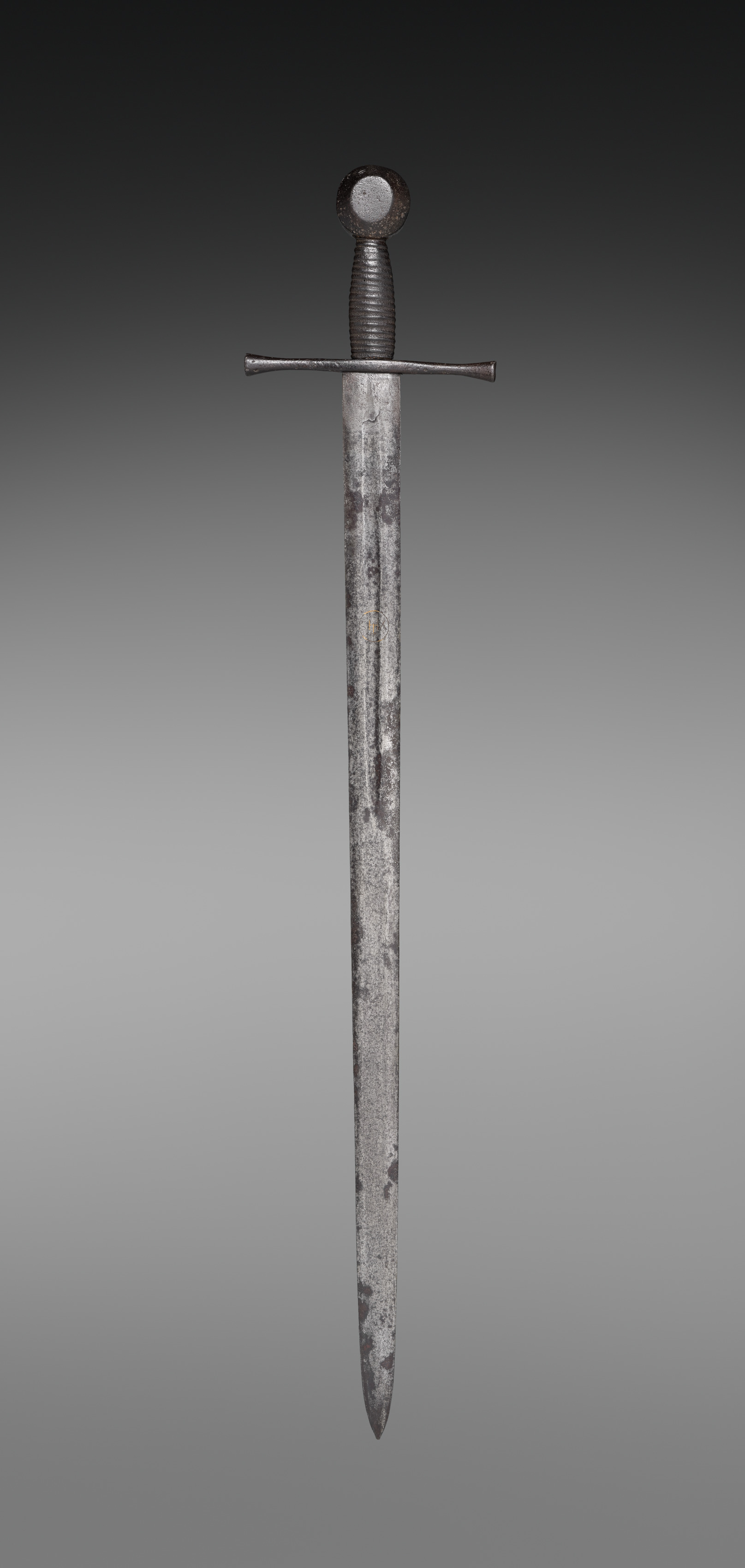
At Zoey Fashion Lab, the act of deconstruction is not merely a technical exercise; it is a philosophical inquiry into the very essence of form, function, and the latent narratives embedded within material culture. The subject of this analysis—a steel sword, likely of German origin, with a wood and leather grip—presents a profound challenge. On the surface, it is an artifact of conflict, a tool of precision and violence. However, when viewed through the lens of avant-garde fashion, and specifically through the metaphor of a New DNA Strand, this object transcends its martial history. It becomes a blueprint for a new kind of structural language, one that redefines the relationship between the body, the garment, and the concept of power.
I. The Steel Blade: A Structural Primer for the Body's Armature
The primary material—steel—is not a textile, yet its properties offer a radical departure from conventional fabric logic. The blade’s geometry is a study in linear tension. Its long, rigid spine, tapering to a fine point, suggests a single, unyielding line of force. In our deconstruction, we do not see a weapon; we see a structural exoskeleton. The steel’s cold, reflective surface and its capacity to hold a sharp edge are translated into a design language of rigid pleats, metallic boning, and laser-cut seams that mimic the blade's trajectory.
The German origin is critical here. German craftsmanship is synonymous with precision engineering and functionalist design. The sword is not decorative; it is efficient. This ethos translates directly into our avant-garde approach: every line must serve a purpose. The blade’s full tang (the extension of the steel through the grip) becomes a metaphor for internal structure. In a garment, this manifests as a hidden chassis—a system of steel or rigid polymer stays that run through the torso, creating a silhouette that is both armored and fluid. The blade’s polished surface, when deconstructed, becomes a series of mirrored panels or liquid-metal coatings on fabric, reflecting and distorting the wearer’s environment, thus challenging the boundary between self and space.
II. The Wood and Leather Grip: The Organic Counterpoint
Contrasting the blade’s cold logic is the grip: wood and leather. This is the point of human interface, the place where the object becomes an extension of the hand. The wood provides a warm, organic core, while the leather offers a textured, tactile surface. In our deconstruction, this represents the soft infrastructure of the garment—the lining, the underlayer, the points of articulation that allow the rigid structure to move with the body.
The leather, often tooled or wrapped, suggests a second skin. We reimagine this as a corset or a harness system, where strips of leather are not merely decorative but functional, cinching the body and creating tension points that echo the grip’s ergonomic design. The wood, perhaps oak or ash, is deconstructed into veneers or laminated panels that are integrated into the garment’s shoulder or hip structures. This is not a literal translation; it is a material dialogue. The grain of the wood becomes a pattern for digital embroidery or a texture for 3D-printed components. The contrast between the hard, polished steel and the softer, absorbent wood and leather creates a tension that is central to the avant-garde aesthetic—a push-pull between protection and vulnerability, between the mechanical and the organic.
III. The New DNA Strand: Re-encoding the Sword's Genetic Code
The reference to a New DNA Strand is the most potent tool in this analysis. It compels us to view the sword not as a finished object but as a sequence of genetic information—a set of instructions for building a new form. Each component—the blade’s edge, the guard’s cross, the pommel’s weight—is a gene that can be isolated, recombined, and expressed in a different medium.
For instance, the crossguard, which protects the hand, is a gene for lateral extension. In a garment, this becomes a dramatic shoulder structure or a sweeping collar that frames the face. The pommel, a counterweight, is a gene for density and balance. It translates into a weighted hem or a built-in counterbalance in a jacket’s tail, altering the wearer’s posture and movement. The fuller (the groove along the blade) is a gene for negative space—a cutout, a slit, or a channel in the fabric that reveals the skin or an underlayer, creating visual and physical lightness.
This genetic re-encoding allows us to break free from the sword’s original narrative. We are not designing armor or costume. We are designing a new species of garment that carries the sword’s structural intelligence but expresses it in a contemporary, avant-garde vocabulary. The result is a collection that is both architectural and intimate, where the wearer is not merely clothed but constructed—a living, moving structure that embodies the tension between strength and fragility.
IV. Avant-Garde Application: From Object to Experience
In the final analysis, the sword as a subject for Zoey Fashion Lab is not about nostalgia or historical reenactment. It is about re-contextualization. The avant-garde demands that we challenge the viewer’s perception. A garment inspired by this sword will not look like a weapon. It will look like a question.
Consider a dress with a single, unbroken seam that runs from the shoulder to the hem, mimicking the blade’s edge. The fabric is a high-tech metallic weave that catches light like polished steel, but it is soft to the touch. The leather grip is reimagined as a series of adjustable straps that wrap around the waist, allowing the wearer to tighten or loosen the garment’s hold. The wood becomes a sculptural collar that cantilevers away from the body, echoing the crossguard’s protective function but transforming it into a gesture of defiance or elegance.
This is the New DNA Strand in action. The sword’s genetic code has been extracted, sequenced, and re-synthesized into a garment that is both a tribute and a transformation. It is a statement that fashion can be a form of material philosophy, where the deconstruction of a historical object leads to the construction of a new identity. The wearer becomes a living archive of this process, a body that carries the memory of the blade but moves with the grace of the future. This, ultimately, is the goal of the Chief Fabric Deconstructionist: to find the hidden DNA in the world around us and to weave it into the fabric of tomorrow.