Introduction: The Avant-Garde Intersection of Nature and Technology
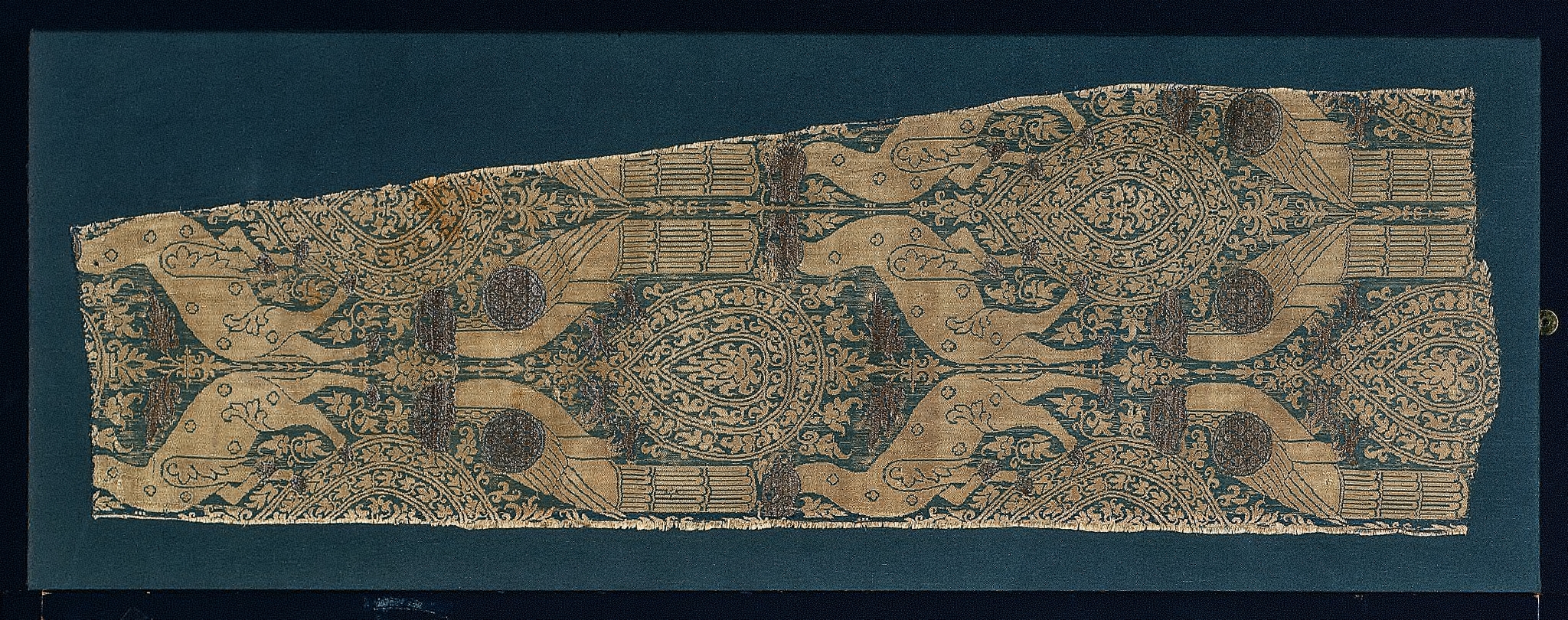
At Zoey Fashion Lab, the role of the Chief Fabric Deconstructionist is to dissect not only the physical threads of a textile but also the conceptual DNA that binds material, history, and future. The subject of this analysis—a silk and gold-thread lampas weave from Italy, depicting parrots and animals—presents a unique opportunity. This fabric is not merely a decorative artifact; it is a New DNA Strand for an avant-garde collection. By deconstructing its technical weave structure, its Italian heritage, and its zoological motifs, we can re-engineer it into a statement that transcends traditional luxury and enters the realm of biological futurism.
Technical Deconstruction: The Lampas Weave as a Genetic Code
Silk and Gold Thread: The Conductive Elements
The base material—silk—is a protein fiber produced by silkworms, historically associated with Italy's Renaissance textile dominance. Its natural luster and drape make it ideal for high-fashion draping. However, the inclusion of gold thread introduces a metallic, conductive element. In an avant-garde context, this gold thread can be reinterpreted as a neural pathway—a shimmering, non-biological network that mimics the synaptic connections of a brain. The silk becomes the organic substrate, while the gold thread acts as the electrical impulse, creating a fabric that suggests both life and machine.
The Dual-Weave System: A Binary Language
Lampas is a compound weave that uses two distinct sets of warps and wefts: one for the ground weave (usually a plain or twill) and one for the pattern weave (often a satin or twill). This creates a binary structure—a ground and a figure, a background and a foreground. In the context of the New DNA Strand reference, this dual-weave system can be seen as a double helix. The ground weave represents the phosphate-sugar backbone, while the pattern weave—the parrots and animals—represents the nucleotide bases. Deconstructing this fabric means isolating these two weaves, understanding how they lock together to form a coherent image, and then recombining them in novel ways.
Motif Analysis: Parrots and Animals as Avant-Garde Symbols
Parrots: Mimicry and Mutation
Parrots are not merely decorative; they are symbols of mimicry, intelligence, and exoticism. In Italian Renaissance textiles, parrots often appeared in "soprarizzo" velvets and lampas, representing the discovery of the New World. For an avant-garde collection, the parrot motif can be deconstructed as a mutation. Its vibrant plumage—rendered in silk and gold—can be fragmented, repeated, or distorted to suggest a genetic anomaly. The parrot's ability to mimic human speech also aligns with the concept of a DNA strand that "speaks"—a fabric that communicates its own history and future through pattern and texture.
Other Animals: The Bestiary as a Biological Archive
The inclusion of other animals—likely birds, mammals, or mythical creatures—creates a bestiary. This is not a random collection; it is a biological archive. Each animal represents a different evolutionary path, a different adaptation. In the lampas weave, these animals are locked into a repeating pattern, suggesting a cyclical, almost fractal nature of life. For the avant-garde designer, this means treating the fabric as a living organism—one that can be spliced, edited, and re-sequenced. The gold thread highlights the "precious" nature of this archive, but the deconstructionist sees it as a code waiting to be rewritten.
Origin and Heritage: Italy as the Cradle of Textile Genetics
The Italian Renaissance and the Birth of Luxury Weaving
Italy, particularly cities like Florence, Venice, and Genoa, was the epicenter of luxury textile production from the 14th to the 17th centuries. Lampas weaves were prized for their complexity and richness, often used for ecclesiastical vestments and courtly garments. This heritage is not a constraint; it is a genetic baseline. The avant-garde approach does not discard tradition but mutates it. By referencing this Italian origin, the fabric carries a historical weight that can be subverted—turning a Renaissance bestiary into a futuristic, post-human narrative.
From Craft to Code: The Shift in Production
Traditional Italian lampas was hand-loomed, requiring immense skill and time. The New DNA Strand concept suggests a shift from craft to code. The pattern repeat, the thread count, and the color palette become data points. For Zoey Fashion Lab, this means digitizing the weave structure and using algorithmic design to create new iterations. The gold thread, once a symbol of wealth, becomes a conductive trace—a literal circuit that can interact with wearable technology, such as LED lighting or biometric sensors.
Avant-Garde Application: Re-Engineering the Fabric
Deconstruction as a Creative Act
The first step in the deconstruction is to unweave the lampas. This is not a destructive act but an analytical one. By separating the ground weave from the pattern weave, we isolate the "genetic" components. The ground weave becomes a neutral, structural base—like a blank canvas. The pattern weave, with its parrots and animals, becomes a floating motif that can be repositioned, scaled, or even removed entirely. This allows for the creation of garments that appear to be in a state of biological flux—where animals emerge from or dissolve into the fabric.
The New DNA Strand: A Living Fabric
Drawing from the reference, the fabric can be re-engineered to mimic the behavior of a DNA strand. This could involve:
- Asymmetrical repeats: Breaking the traditional mirror symmetry of lampas to create a sense of mutation.
- Metallic thread as a circuit: Using the gold thread to create conductive paths that power small, embedded LEDs, making the parrots' eyes or feathers glow.
- Layered transparency: Using sheer silk organza over the lampas to create a "genetic overlay"—a ghost image of the pattern that shifts with movement.
- Deconstructed seams: Leaving raw edges and floating threads to suggest a fabric in the process of evolution or decay.
Garment Silhouettes: The Body as a Host
The avant-garde silhouette for this fabric should treat the body as a host organism. Think of asymmetrical, cocoon-like shapes that envelop the wearer, with the lampas pattern concentrated in specific zones—like a genetic imprint. The gold thread can be used to create exoskeletal structures—collar bones, shoulder caps, or spine-like seams—that echo the animal motifs. The parrots and animals should not be merely printed or woven; they should appear to be growing out of the fabric, perhaps through three-dimensional embroidery or appliqué that lifts the motif off the base weave.
Conclusion: The Future of Fabric as Biological Narrative
This Italian lampas weave, with its silk and gold-thread composition and its bestiary of parrots and animals, is not a relic. It is a New DNA Strand—a code that can be read, edited, and expressed in avant-garde fashion. By deconstructing its technical weave, its historical origin, and its symbolic motifs, Zoey Fashion Lab can transform this fabric into a living, breathing narrative. The result is a collection that speaks to the intersection of nature and technology, tradition and mutation, luxury and life. The fabric is no longer just cloth; it is a biological manifesto for the future of fashion.