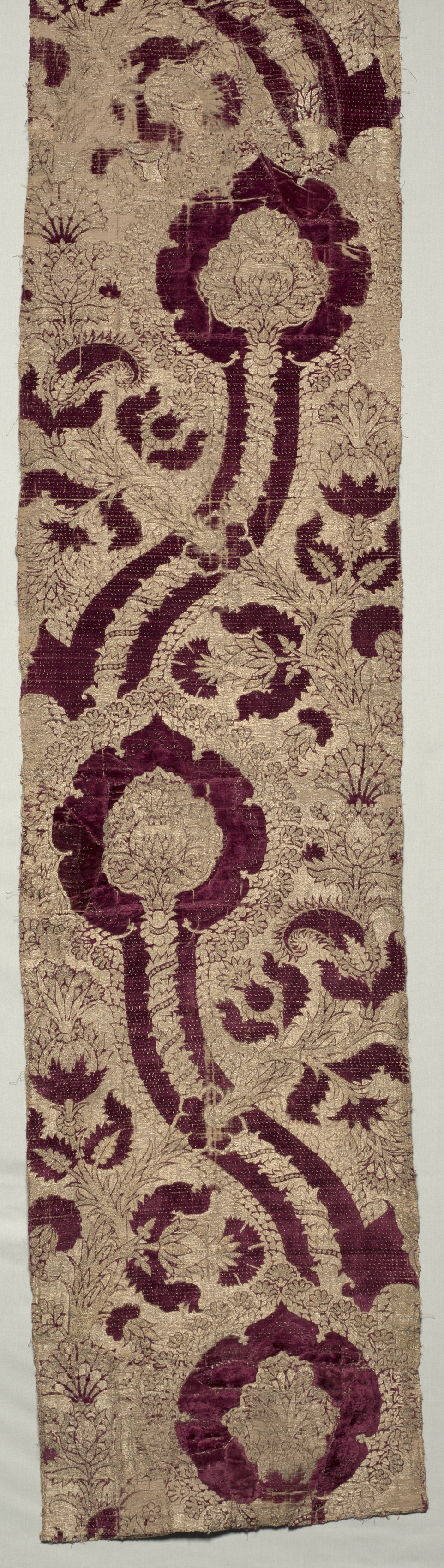
Fabric Analysis: Velvet with Pomegranate Pattern
Introduction and Context
As the Chief Fabric Deconstructionist for Zoey Fashion Lab, I present a comprehensive analysis of a remarkable textile specimen: a velvet fabric originating from Florence, Italy, featuring a pomegranate pattern. This fabric is not merely a material; it is a statement of avant-garde design philosophy, a fusion of historical craftsmanship and futuristic reinterpretation. The fabric’s technical specifications—silk and gold thread construction, three heights of cut pile, and gold thread loops—position it as a groundbreaking candidate for our New DNA Strand, a collection that redefines the boundaries of fashion through innovative materiality and conceptual depth.
Technical Deconstruction: The Anatomy of the Fabric
The fabric’s base is a silk foundation, chosen for its unparalleled luster, drape, and tactile sensitivity. Silk provides the necessary strength and flexibility to support the complex pile structures, while its natural sheen enhances the interplay of light across the surface. The gold thread, interwoven with precision, introduces a metallic element that elevates the fabric from traditional luxury to a more radical, almost architectural, presence.
The most distinctive technical feature is the three heights of cut pile. This is not a uniform velvet; it is a topographical landscape. The varying pile heights—short, medium, and tall—create a three-dimensional surface that shifts in texture and color as the viewer’s perspective changes. The short pile offers a dense, velvety base, absorbing light and providing a grounding effect. The medium pile introduces a subtle gradient, catching light at angles that produce soft highlights. The tall pile, standing proud, acts as a sculptural element, casting shadows and creating a sense of depth that is almost tactile in its invitation to touch. This tripartite structure mimics natural phenomena, such as the layered petals of a pomegranate flower or the undulating surfaces of organic forms, yet it is rendered with the precision of Florentine craftsmanship.
The gold thread loops are a critical innovation. Unlike flat metallic threads, these loops are raised, creating small, irregular circles that break the surface plane. They function as micro-architectural details, catching and reflecting light in unpredictable ways. When combined with the cut pile, the loops introduce a rhythmic disruption—a deliberate chaos that challenges the uniformity often associated with luxury velvets. This interplay between the structured pile and the organic loops generates a visual tension, a dialogue between control and spontaneity that is central to the avant-garde aesthetic.
Pattern Analysis: The Pomegranate Motif
The pomegranate pattern is not merely decorative; it is a symbolic and structural anchor. Historically, the pomegranate has represented fertility, abundance, and regeneration in Mediterranean and Renaissance art. In this fabric, however, the motif is deconstructed. The pattern is not a literal, symmetrical repeat. Instead, it is fragmented, with pomegranate forms emerging and dissolving across the surface. The three pile heights are used to delineate the fruit’s anatomy: the short pile forms the outer rind, the medium pile suggests the seeds, and the tall pile creates the bursting crown. The gold thread loops mimic the seeds’ glistening juice, adding a sense of wetness and vitality.
This deconstruction aligns with the New DNA Strand philosophy. We are not replicating historical patterns; we are re-coding them. The pomegranate becomes a symbol of genetic mutation, of hybridity, of a future where nature and technology are inextricably linked. The fabric’s surface is a map of this new DNA, where each pile height and loop represents a different nucleotide in a sequence of texture and light. The avant-garde style demands that we question the familiar, and this pattern does exactly that—it is both a nod to Florentine heritage and a radical departure into uncharted aesthetic territory.
Avant-Garde Implications: From Fabric to Fashion
For Zoey Fashion Lab, this fabric is not a passive material but an active participant in design. Its structural complexity demands a garment that responds to its topography. I propose a series of applications that exploit its three-dimensionality:
1. Sculptural Silhouettes: The fabric’s rigidity, imparted by the gold thread and dense pile, allows for architectural draping. A coat or jacket with exaggerated shoulders and asymmetrical hems could use the tall pile to create ridges that mimic the pomegranate’s form. The gold loops could be concentrated at stress points, such as lapels or cuffs, drawing the eye and creating focal points.
2. Kinetic Garments: The varying pile heights respond to movement. A dress with a flowing skirt would reveal different textures as the wearer walks—short pile dominating at rest, tall pile and loops catching light with each step. This creates a living surface, a garment that changes with the body’s motion, embodying the avant-garde principle of ephemerality.
3. Layered Transparency: The silk base, when used in areas with minimal pile, offers a translucent effect. A sheer panel over a gold loop pattern could suggest the pomegranate’s interior, with seeds visible through a membrane. This interplay of opacity and transparency challenges conventional notions of modesty and exposure, aligning with the New DNA Strand’s exploration of boundaries.
4. Sustainable Innovation: While the fabric is inherently luxurious, its construction suggests a path toward sustainability. The three-pile system reduces waste by using pile height as a design variable rather than cutting away excess. The gold thread, though precious, can be recycled or sourced from ethical suppliers, positioning the fabric as a responsible choice for avant-garde fashion that prioritizes longevity over trend cycles.
Conclusion: A Fabric for the New DNA
This velvet with pomegranate pattern from Florence is a masterclass in textile engineering. Its three heights of cut pile and gold thread loops create a surface that is simultaneously historical and futuristic, organic and mechanical, luxurious and radical. For Zoey Fashion Lab, it is not just a fabric; it is a prototype for the New DNA Strand—a material that challenges designers to think beyond flat surfaces and into the realm of sculptural, kinetic, and symbolic fashion. As we move forward, this fabric will serve as a benchmark, a reminder that the future of fashion lies in the deconstruction and reimagining of the past. The pomegranate, once a symbol of life, now becomes a symbol of transformation—a new genetic code for the avant-garde.